

What's Happening?
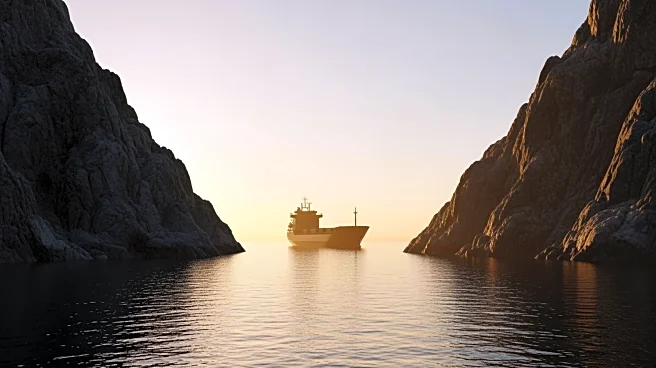
Iran has implemented a $2 million toll on certain vessels passing through the Strait of Hormuz, a strategic waterway crucial for global oil transportation. This move is part of Iran's strategy to assert control over the strait amid ongoing tensions with
the United States and Israel. Iranian lawmaker Alaeddin Boroujerdi, a member of the parliament's national security committee, stated that the toll reflects Iran's strength and is necessary due to the costs of war. The decision follows a warning from U.S. President Donald Trump, who threatened to target Iran's power infrastructure if the strait is not reopened within 48 hours. Iran's President Masoud Pezeshkian responded by asserting that the strait remains open to all except Iran's adversaries, emphasizing Iran's resolve against external threats.
Why It's Important?
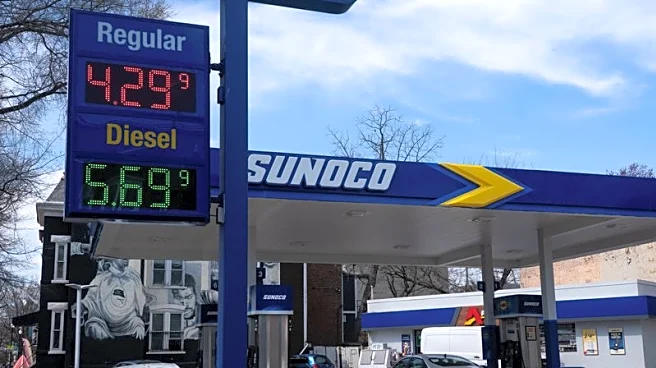
The imposition of a toll on ships passing through the Strait of Hormuz has significant implications for global trade and energy markets. The strait is a vital chokepoint through which approximately one-fifth of the world's oil supply is transported. Iran's decision to charge a toll could increase shipping costs and potentially disrupt oil supply chains, leading to higher global oil prices. The move also escalates tensions in the region, particularly with the United States, which has a vested interest in maintaining open and secure shipping lanes. The situation underscores the geopolitical risks associated with the strait and highlights the potential for conflict to impact global energy security.
What's Next?
The international community, particularly countries reliant on oil imports through the Strait of Hormuz, will be closely monitoring the situation. Potential responses could include diplomatic efforts to de-escalate tensions or increased military presence in the region to ensure the security of shipping lanes. The U.S. may consider further actions if Iran continues to restrict access to the strait. Additionally, oil markets are likely to react to any developments, with potential volatility in oil prices depending on the perceived risk to supply routes.