





What's Happening?
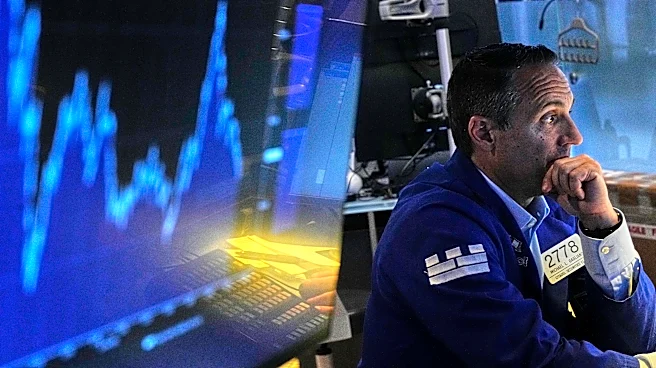
The Ibovespa index fell by 1.5% to close at 174,042, driven by new U.S. tariffs on Brazilian exports and rising tensions in the Middle East. The Trump administration's tariffs have heightened concerns within Brazil's government and corporate sectors.
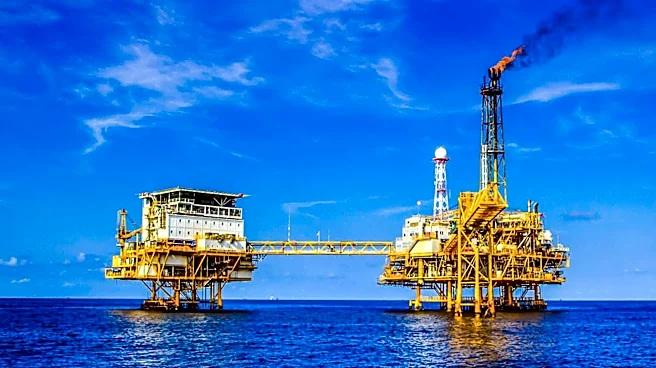
Additionally, the market is dealing with inflation worries and the prospect of higher global interest rates, as oil prices remain high despite recent declines. Major Brazilian banks and oil companies experienced significant losses, with Banco do Brasil, Bradesco, Itaú, and Santander all seeing declines. However, WEG saw a slight increase due to positive quarterly results.
Why It's Important?
The imposition of U.S. tariffs on Brazilian goods could have significant implications for Brazil's economy, potentially affecting trade relations and economic stability. The tariffs may lead to increased costs for Brazilian exporters, impacting their competitiveness in the U.S. market. The situation also reflects broader geopolitical tensions that can influence global markets, affecting investor confidence and economic forecasts. The response of Brazilian financial markets to these developments highlights the interconnectedness of global economies and the potential for international policy decisions to have far-reaching economic consequences.