
What's Happening?
Penn State researchers have secured a $3.6 million grant from the National Institutes of Health (NIH) to investigate the effectiveness of a smart lighting system, SmartEnLite, in improving sleep and behavioral
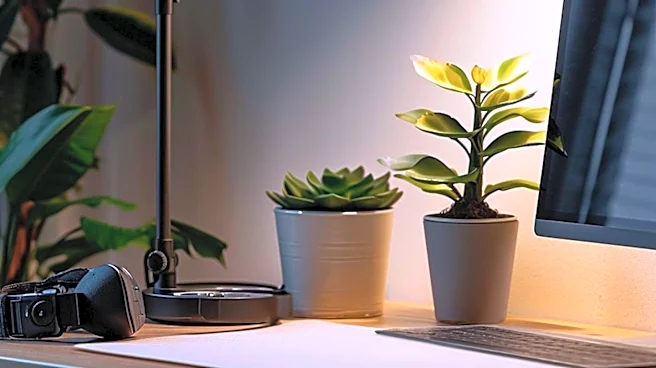
symptoms among nursing home residents with dementia. The study, funded by the National Institute on Aging, will span five years and build upon previous pilot research. SmartEnLite, developed by Ying-Ling Jao and Julian Wang, utilizes tunable LED lighting, photosensors, and automated controls to deliver circadian-stimulating light during the day and dimmer light at night. This system automatically adjusts to natural daylight variations, aiming to support the body's 24-hour internal clock, which is often disrupted in dementia patients due to insufficient daylight exposure in nursing home settings. Disruptions to circadian rhythms can exacerbate sleep problems and behavioral and psychological symptoms of dementia, such as agitation, depression, and apathy, affecting up to 90% of individuals with the condition.
Why It's Important?
This research holds significant importance for the U.S. healthcare system, particularly for the growing population of older adults with dementia residing in nursing homes. Non-pharmacological interventions like SmartEnLite could offer a safer and more sustainable approach to managing challenging symptoms compared to traditional drug-based treatments, which often come with side effects. Improving sleep quality and reducing behavioral issues in dementia patients can enhance their overall quality of life, decrease caregiver burden, and potentially lower healthcare costs associated with managing these complex conditions. The study's findings could inform future nursing home design and lighting standards, leading to widespread adoption of circadian-friendly environments. This initiative aligns with broader efforts to improve long-term care facilities and address the unique needs of individuals with dementia, ultimately benefiting both patients and the healthcare infrastructure.
What's Next?
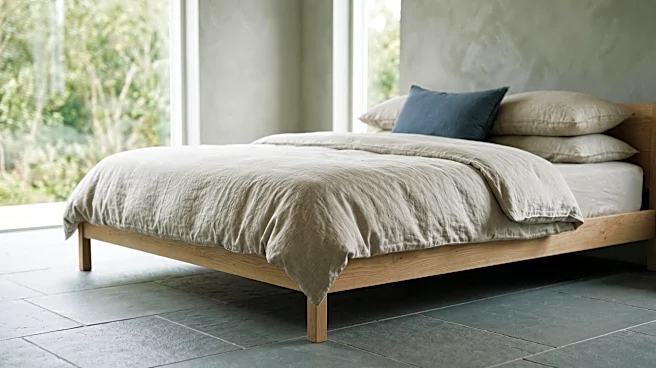
The researchers plan to enroll approximately 300 nursing home residents with dementia across 10 facilities in Pennsylvania. SmartEnLite will be installed in participants' bedrooms and communal dining and activity areas. Over a 13-week period, groups of participants will experience both SmartEnLite and their usual lighting conditions, allowing for a direct comparison of outcomes. Participants will wear devices to monitor their individual light exposure and sleep patterns. The study will assess improvements in behavioral and psychological symptoms, as well as sleep quality, and investigate whether changes in sleep contribute to symptom reduction. The findings are expected to inform larger-scale studies and potentially influence future design and lighting standards for long-term care facilities, with the project scheduled to run through April 2031.
Beyond the Headlines
Beyond the immediate clinical benefits, this research touches upon the ethical considerations of providing dignified and supportive environments for vulnerable populations. The emphasis on non-pharmacological interventions reflects a growing trend in healthcare to prioritize holistic well-being and minimize reliance on medications that may have adverse effects. The integration of smart technology into healthcare settings also highlights the evolving landscape of care delivery, where environmental factors are increasingly recognized as crucial determinants of health outcomes. If successful, SmartEnLite could set a precedent for how technology can be leveraged to create more therapeutic and humane living spaces for individuals with cognitive impairments, fostering a more person-centered approach to long-term care and potentially influencing architectural and design standards for healthcare facilities nationwide.