





What's Happening?
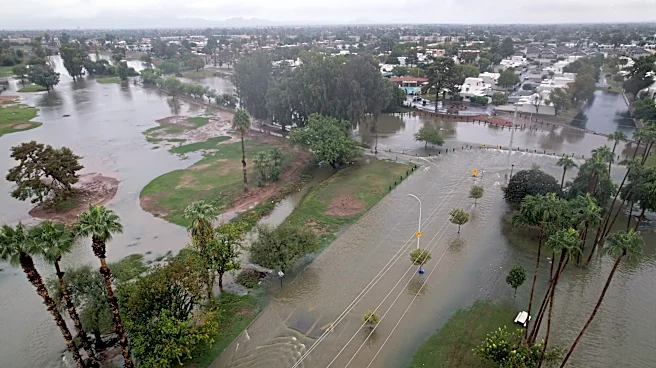
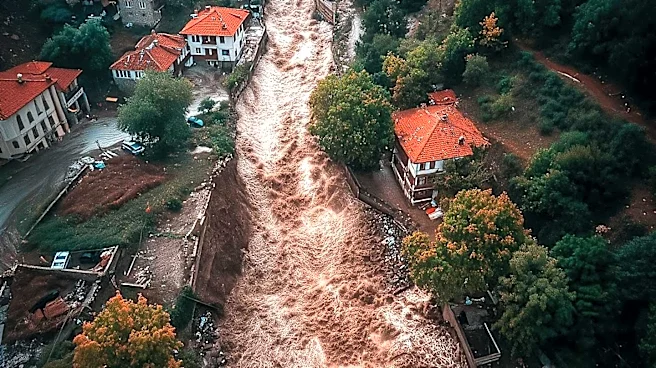
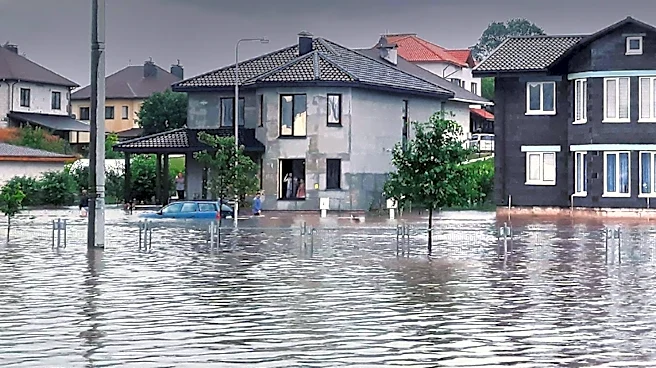
Heavy rainfall has triggered flash flooding and mandatory evacuations across the Southwest U.S., particularly in Arizona and Colorado. In Pagosa Springs, Colorado, officials warned of potentially “catastrophic flooding” as the San Juan River was forecast
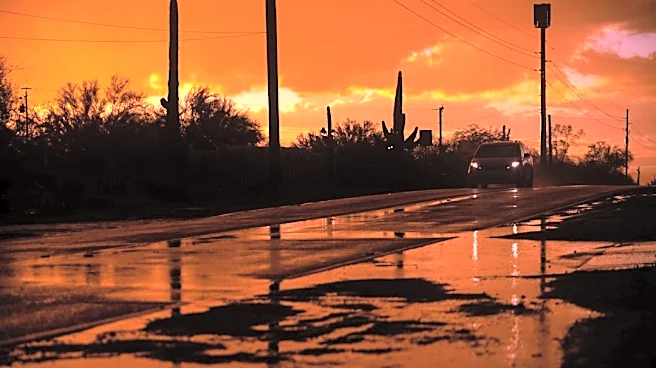
to crest at over 20 feet, surpassing levels from a devastating 1911 flood. Communities in Arizona, including Sedona and Camp Verde, issued evacuation orders for residents near Oak Creek, Verde River, West Clear Creek, and Wet Beaver Creek. The National Weather Service reported that up to four inches of rain could fall across the region, fueled by a series of Pacific storm systems. This latest deluge follows previous storms, contributing to excessive runoff and making flood-prone areas vulnerable. Roads have been closed in La Plata County, Colorado, and multiple people were trapped in their homes in Sedona, requiring swift boat rescues in Tucson. Arizona Governor Katie Hobbs confirmed state air rescue crews were assisting with rooftop evacuations.
Why It's Important?
The widespread flooding in the Southwest U.S. poses significant risks to public safety, infrastructure, and local economies. Mandatory evacuations disrupt thousands of residents, leading to temporary displacement and potential property damage. Businesses in affected areas, like those in Pagosa Springs, face operational challenges and financial losses due to closures and reduced tourism. The closure of major roads and highways impedes transportation and supply chains, affecting local commerce and emergency response efforts. The repeated nature of these severe weather events, with some areas experiencing multiple floods in a short period, highlights the increasing vulnerability of communities in normally arid regions to extreme precipitation. The strain on emergency services and local resources is substantial, as they manage rescues, evacuations, and the aftermath of the floods. The long-term economic impact could include decreased property values and increased insurance costs in flood-prone zones.
What's Next?
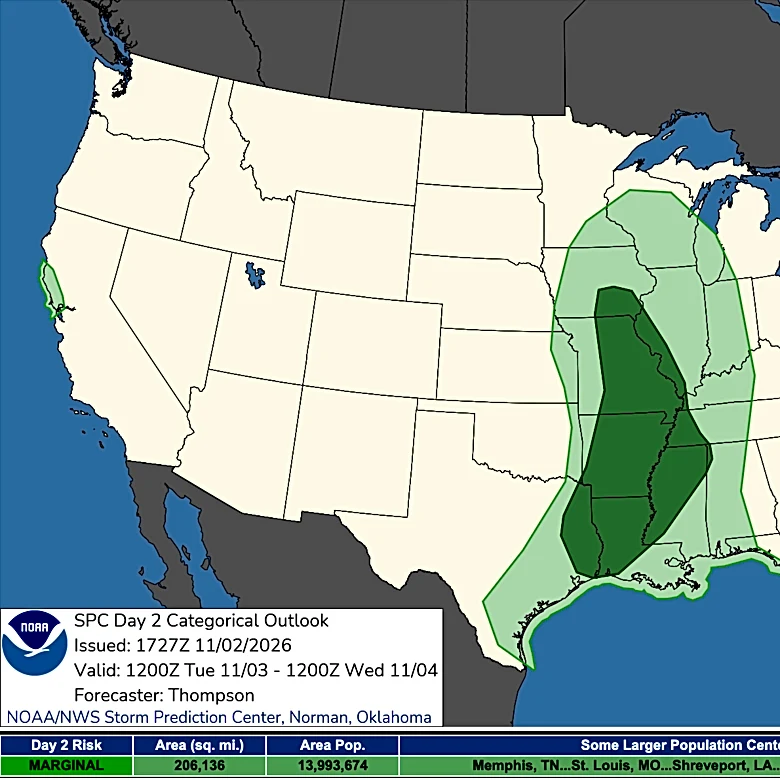
The heavy rains are expected to continue saturating the affected areas through Monday, with flood warnings and watches remaining in effect for nearly all of Arizona and parts of southern Utah, southwestern Colorado, and western New Mexico. Officials in Pagosa Springs have advised residents in low-lying areas along the San Juan, Rio Blanco, Navajo, and Piedra rivers to seek shelter immediately, emphasizing that emergency crews may be limited during the peak of the storm. The highway entering Pagosa Springs has been closed to inbound traffic, and residents are warned to avoid contact with the San Juan River due to sewage discharge. As the weather system moves eastward, other parts of the country could also experience significant precipitation. Recovery efforts will likely involve assessing damage, clearing debris, and providing assistance to displaced residents and affected businesses. The focus will shift to rebuilding and implementing measures to mitigate future flood impacts.
Beyond the Headlines
The recurring and intense flooding in the Southwest U.S. underscores broader environmental and climate-related challenges. While the immediate cause is a series of Pacific storm systems, the increased frequency and severity of such events raise questions about long-term climate patterns and their impact on vulnerable regions. The strain on local infrastructure, much of which was not designed for such extreme weather, highlights the need for significant investment in climate-resilient infrastructure. The social fabric of tight-knit communities, like Pagosa Springs, is tested during these disasters, but also demonstrates resilience and mutual support. The discharge of sewage into rivers, as reported in Pagosa Springs, points to potential public health crises and environmental contamination, adding another layer of complexity to recovery efforts. These events serve as a stark reminder of the interconnectedness of environmental changes, urban planning, and public safety.