


What's Happening?
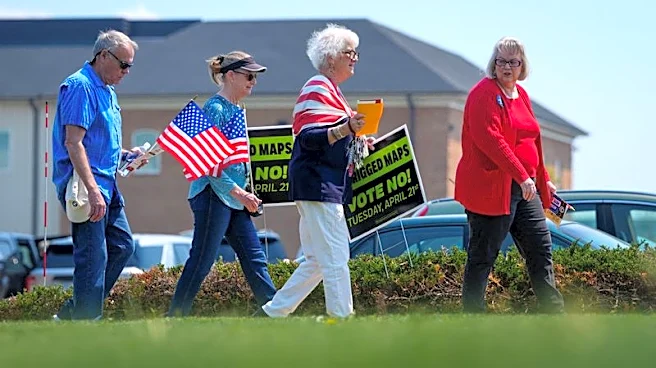
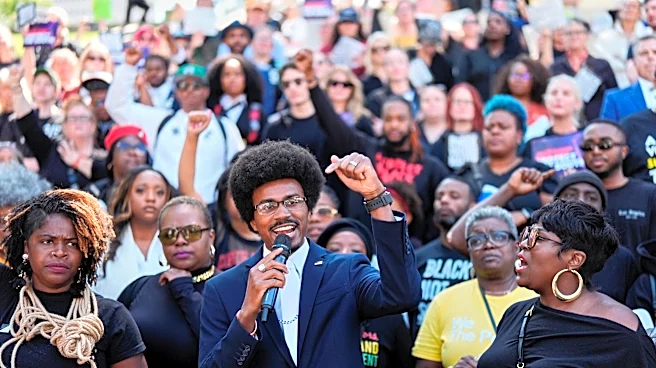
The Virginia Supreme Court has struck down a voter-approved plan to redraw the state's congressional boundaries. The court's decision focused on procedural issues related to the planning of the referendum rather than the merits of the redistricting plan itself.
This ruling prevents Virginia Democrats from potentially gaining four additional U.S. House seats, which they had hoped would counteract Republican redistricting efforts elsewhere. The court's decision has garnered national attention due to its implications for congressional representation and the balance of power in the U.S. House.
Why It's Important?
The court's ruling is significant as it maintains the current congressional district lines, which Democrats argue favor Republicans. This decision could impact the outcome of the upcoming midterm elections by limiting Democratic gains in Virginia. The ruling underscores the ongoing national debate over gerrymandering and the role of state courts in electoral map drawing. It highlights the challenges faced by political parties in navigating legal and procedural hurdles to achieve favorable electoral outcomes.
What's Next?
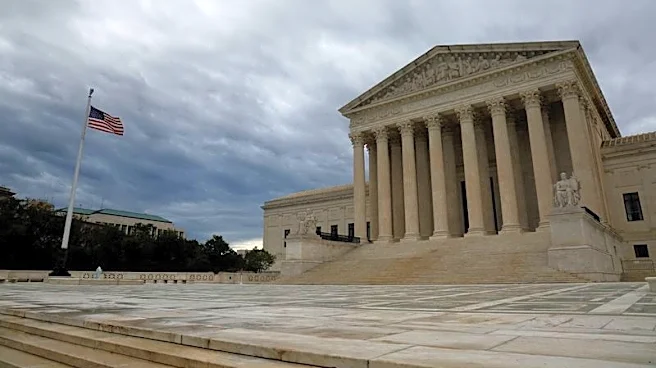
Virginia Democrats are considering further legal action, including an emergency petition to the Supreme Court of the United States. They aim to explore all available options to restore what they see as the will of the voters. The possibility of redrawing the district lines in time for the 2028 elections remains, but immediate changes for the 2026 midterms are unlikely. The decision may prompt increased scrutiny and legal challenges to redistricting efforts in other states.