
What's Happening?
The Supreme Court of the United States (SCOTUS) is hearing cases that could impact the Temporary Protected Status (TPS) program, which allows eligible individuals to live and work in the U.S. due to unsafe
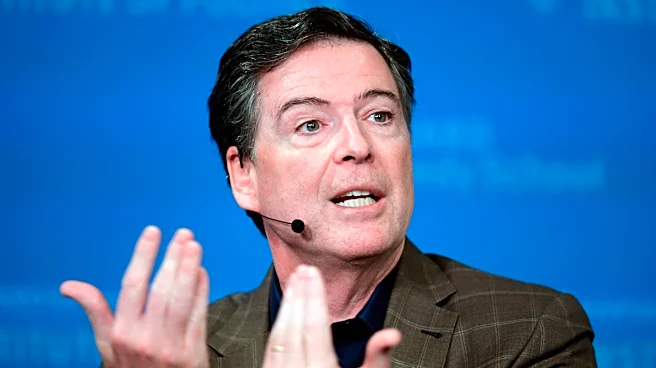
conditions in their home countries. The Trump administration seeks to end TPS for groups from countries like Haiti and Syria, arguing that the conditions no longer warrant protection. Meanwhile, former FBI Director James Comey has been indicted by a grand jury for allegedly threatening President Trump in a social media post. This marks the second indictment against Comey by the Trump administration's Department of Justice.
Why It's Important?
The SCOTUS decision on TPS could affect thousands of individuals who have lived in the U.S. for years under this program. A ruling in favor of the Trump administration could lead to mass deportations, significantly impacting communities and families. The Comey indictment highlights ongoing tensions between the Trump administration and former officials involved in investigations against the president. The case raises questions about the limits of free speech and the potential politicization of the justice system. Both developments underscore the broader political and legal challenges facing the U.S. under the Trump administration.
What's Next?
The Supreme Court's decision on TPS will be closely watched, as it could set a precedent for how the U.S. handles similar immigration issues in the future. The outcome may prompt legislative action to address the status of TPS recipients. In the Comey case, legal experts are debating whether the charges will hold up in court, given the First Amendment implications. The case could lead to further scrutiny of the Justice Department's actions under the Trump administration. Additionally, the political ramifications of these developments may influence upcoming elections and policy debates.