






What's Happening?
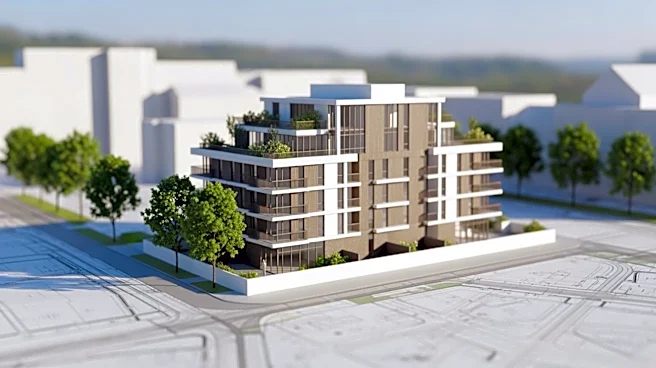
The Naperville City Council has approved a 236-unit apartment complex, known as The Atlas, near Route 59 and 75th Street. The development will feature a mix of studio, one-bedroom, and two-bedroom apartments, along with amenities such as a pool, fitness
center, and coworking space. The project is designed to appeal to both young adults and older active adults. The site was previously approved for a senior living facility, which was never built. The Atlas will occupy 4.6 acres of the 6.2-acre site, with the remaining land reserved for future commercial use.
Why It's Important?
The approval of The Atlas addresses the growing demand for housing in Naperville, a city known for its vibrant community and amenities. The development is strategically located near shopping centers and public transportation, offering residents convenient access to essential services and recreational options. This project reflects broader trends in urban development, where mixed-use and amenity-rich housing is increasingly favored. The addition of adaptable units for accessible living also highlights a commitment to inclusivity and meeting diverse housing needs.
What's Next?
With the council's approval, construction of The Atlas is expected to proceed, with potential impacts on local traffic and infrastructure. The development may attract new residents to the area, contributing to economic growth and increased demand for local businesses. As the project progresses, community feedback and engagement will be important to address any concerns and ensure the development aligns with the city's vision for growth. The success of The Atlas could influence future housing projects in Naperville and similar communities.
Beyond the Headlines
The development of The Atlas raises questions about the balance between residential and commercial land use in growing cities. As urban areas expand, finding the right mix of housing and commercial spaces is crucial for sustainable development. The project's focus on social connectivity and shared spaces reflects changing preferences in housing, where community and lifestyle amenities are increasingly valued. Additionally, the inclusion of adaptable units underscores the importance of designing for accessibility and accommodating diverse populations.