








What's Happening?
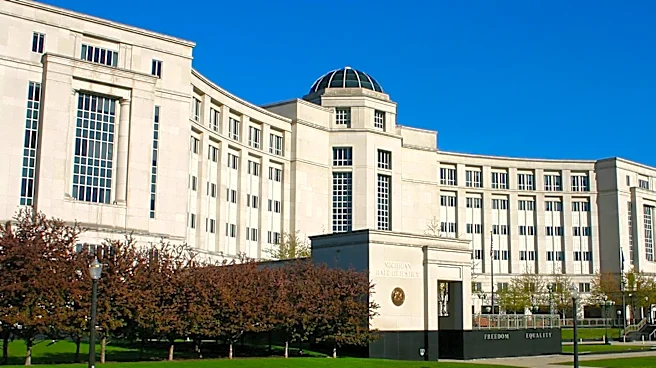
Michigan lawmakers have passed a new $84 billion budget after a marathon session, addressing the state's fiscal needs for the upcoming year. The budget, which was finalized after nearly 24 hours of negotiations, includes significant adjustments due to
federal funding cuts resulting from President Trump's One Big Beautiful Bill. Governor Gretchen Whitmer had proposed new taxes on smokeless nicotine products, sports betting, and online advertising to generate $800 million in revenue to offset these cuts. However, the legislature opted for budget cuts and reallocations instead. The budget includes a record $1.7 billion in School Aid Fund revenue for community colleges and universities, a move criticized by K-12 school groups. Additionally, the budget maintains funding for the state's universal free student meal program and increases per-pupil funding. Despite missing the legal July 1 deadline, the budget was completed well before the fiscal year begins on October 1, avoiding a government shutdown.
Why It's Important?
The passage of this budget is crucial as it addresses the financial shortfall caused by federal funding cuts, which could exceed $1.1 billion by 2032. The budget's approval without new taxes reflects the political challenges in an election year, highlighting the legislature's preference for budget cuts over tax increases. The decision to reallocate School Aid Fund revenue to higher education institutions has sparked criticism from K-12 advocates, who argue it diverts necessary resources from primary and secondary education. The budget's completion before the fiscal year start averts a potential government shutdown, ensuring continuity in state operations and services. This development underscores the ongoing impact of federal policies on state budgets and the complex negotiations required to balance fiscal responsibilities with political realities.
What's Next?
With the budget now passed, attention will turn to its implementation and the potential impacts on various sectors, particularly education. Schools will need to adjust their funding plans based on the new allocations, and the state will monitor the effects of the reallocated School Aid Fund revenue. The legislature's decision to avoid new taxes may influence future budget negotiations, especially if federal funding cuts continue to strain state resources. Additionally, the budget's provisions for public service student loan forgiveness and other incentives may impact government hiring and workforce development. Stakeholders, including educators and public service advocates, will likely continue to engage with lawmakers to address ongoing funding challenges and advocate for their priorities in future budget cycles.