









What's Happening?
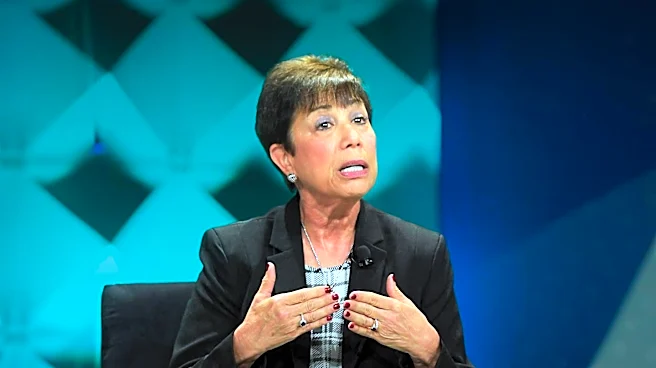
At the ISTELive 26 conference, education leaders discussed the importance of building leadership capacity in schools. Panelists emphasized that traditional credentialing programs are insufficient for preparing school leaders for the complex challenges
they face today. Dr. Jeremy Owoh, superintendent of Jacksonville North Pulaski School District, highlighted the need for broader leadership skills, including managing budgets, personnel, and strategic initiatives. The conference underscored the importance of aligning leadership development with district priorities and fostering cross-district collaboration. Dr. Kim Wallace from the University of California, Berkeley, pointed out gaps in financial literacy and management training for school leaders. The conference also highlighted successful initiatives, such as Oklahoma's collaborative leadership programs, which integrate coursework with real district projects.
Why It's Important?
The discussion at ISTELive 26 underscores the critical need for comprehensive leadership development in education. As schools increasingly adopt digital tools and technology initiatives, effective leadership is essential for successful implementation. The gap between theoretical training and practical application can hinder school leaders' ability to manage change and support teaching and learning. By investing in leadership development, districts can ensure that administrators are equipped to handle the complexities of modern education, ultimately benefiting students and staff. The emphasis on mentorship, coaching, and structured peer networks can help retain talented leaders and foster a supportive community.
What's Next?
Districts are likely to continue exploring innovative approaches to leadership development, such as cohort-based programs and district-led academies. These initiatives can provide aspiring leaders with practical experience and professional networks. As schools face ongoing challenges, including technology integration and staff retention, effective leadership will be crucial for navigating these issues. Continued collaboration between universities, districts, and educational organizations can help bridge the gap between preparation and practice, ensuring that school leaders are well-equipped to meet the demands of their roles.