







What's Happening?
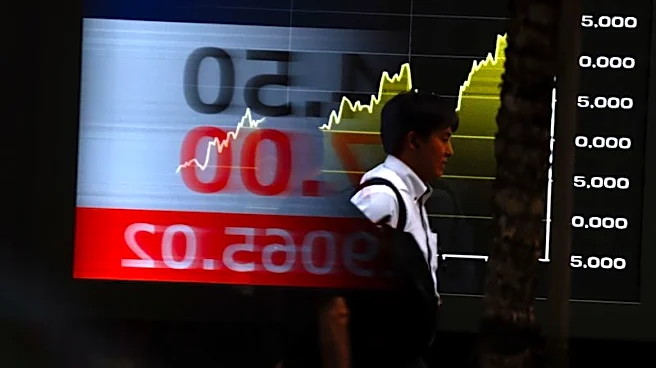
US stock futures surged while oil prices fell sharply after President Trump indicated that a cease-fire agreement with Iran was near. The S&P futures rose by 0.6%, and the Dow Jones Industrial Average futures climbed by 1.1%. This market reaction followed
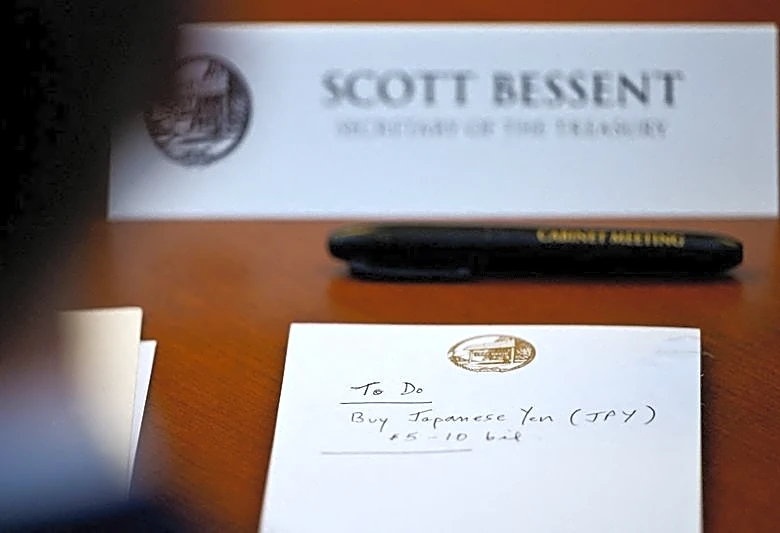
Trump's announcement that he would order US forces to refrain from further attacks on Iran, suggesting a potential end to the conflict. The international benchmark Brent crude dropped by 4.9% to $83.66 per barrel. The US dollar also saw fluctuations, particularly against the Japanese yen, as the US and Japan intervened to stabilize the yen's value.
Why It's Important?
The potential resolution of the US-Iran conflict could lead to increased stability in global markets, particularly in the energy sector. A decrease in oil prices can reduce costs for businesses and consumers, potentially easing inflationary pressures. The rise in stock futures reflects investor optimism about reduced geopolitical risks and the potential for economic growth. However, the situation remains fluid, with previous negotiations having failed to produce lasting peace. The intervention in currency markets by the US and Japan also highlights the broader economic implications of geopolitical tensions, affecting trade and investment flows.
What's Next?
The coming days will be critical in determining whether a peace deal between the US and Iran can be finalized. Investors and policymakers will be closely monitoring any official announcements or changes in military strategy. The US labor market data and corporate earnings reports due this week could further influence market dynamics. Additionally, the currency intervention by the US and Japan may continue to impact foreign exchange markets, with potential implications for international trade. Stakeholders will be watching for any signs of progress or setbacks in the peace negotiations.