






What's Happening?
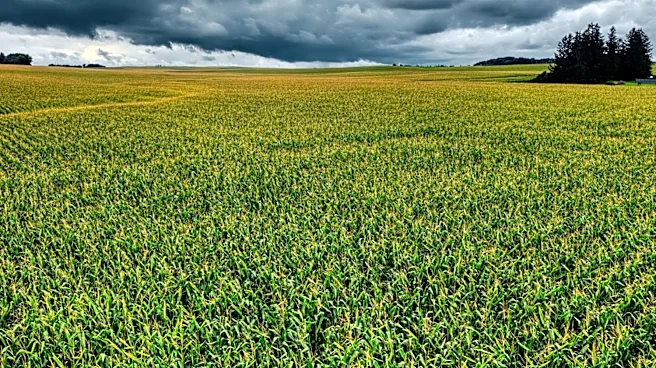
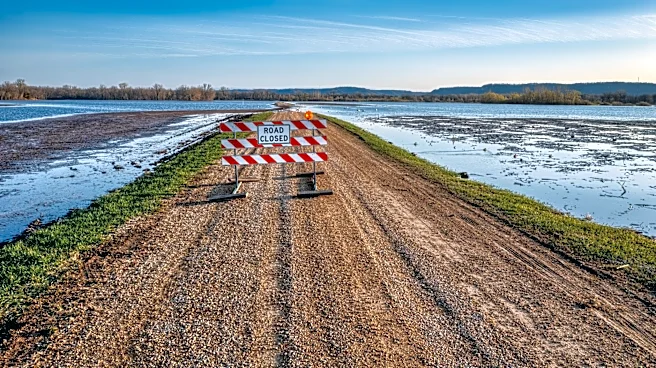
Dan Quinn, a Purdue University Extension corn specialist, reported that Indiana's corn crop experienced significant variability due to excessive rainfall in June. The state saw 15 to 20 inches of rain, leading to flooding and uneven crop development.
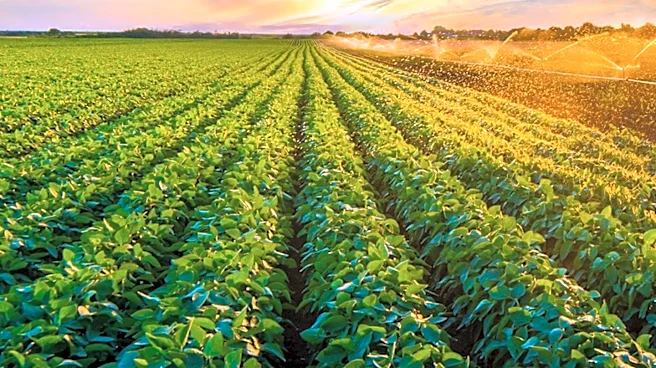
Despite these challenges, Quinn noted that the crop has potential, with expectations around a 200-bushel yield. Shaun Casteel, a soybean specialist, highlighted similar issues for soybeans, with early planting followed by a wet, cool spring. Disease pressure has been low, but growers are advised to monitor fields for potential issues. The variability is highly localized, affecting different areas within the state differently.
Why It's Important?
The variability in crop conditions across Indiana could impact the agricultural economy, affecting both local farmers and the broader market. With corn and soybeans being significant crops, any fluctuation in yield can influence commodity prices and supply chains. The weather-induced challenges highlight the need for adaptive farming practices and could prompt discussions on climate resilience in agriculture. Farmers may need to adjust their strategies, including soil fertility management and disease monitoring, to mitigate the effects of such unpredictable weather patterns.
What's Next?
Farmers are expected to continue monitoring their fields closely, especially for disease pressure, to ensure timely interventions. The upcoming weather in August and September will be crucial for final yield outcomes, particularly for soybeans, which make most of their yield during these months. The agricultural community will likely focus on sharing best practices and strategies to cope with such variability, potentially influencing future planting and crop management decisions.