
What's Happening?
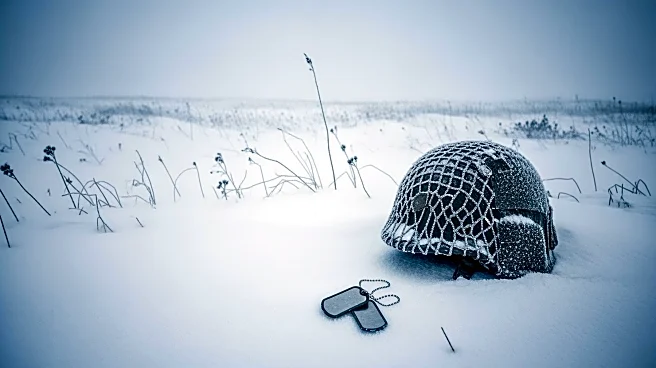
President Trump has vowed retaliation following the deaths of two U.S. soldiers and an interpreter in Syria. This development comes as the U.S. faces severe Arctic weather conditions, with snow and flooding
affecting large parts of the country. The situation in Syria adds to the geopolitical tensions involving U.S. military presence in the region. Meanwhile, the extreme weather conditions are causing disruptions across the U.S., impacting transportation and daily life.
Why It's Important?
The deaths of U.S. soldiers in Syria could escalate military tensions and influence U.S. foreign policy decisions in the Middle East. President Trump's promise of retaliation may lead to increased military actions or strategic shifts in the region. Domestically, the Arctic weather conditions highlight the challenges of climate-related disruptions, affecting infrastructure and emergency response systems. The combination of international and domestic issues underscores the complexity of managing multiple crises simultaneously, with potential implications for public policy and resource allocation.
What's Next?
In response to the situation in Syria, the U.S. may increase military operations or engage in diplomatic efforts to address the security concerns. The Arctic weather conditions will likely prompt emergency measures and resource mobilization to assist affected communities. The government's handling of these issues will be closely watched, with potential impacts on public opinion and political dynamics. Ongoing developments in both areas will require coordinated efforts from various stakeholders, including government agencies, military leaders, and humanitarian organizations.