






What's Happening?
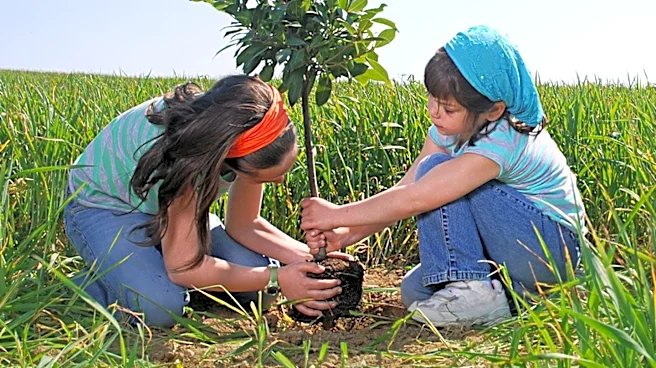
The USDA's 'Fridays on the Farm' series is featuring disabled Vietnam War Veteran Mike Ziemba, who transformed 40 acres in Harrison County, Iowa, into a sanctuary for wildlife and a place for personal recovery. Ziemba, who sought peace and healing from
post-traumatic stress disorder (PTSD), began by planting trees on his barren property, which was previously used for hay production. His success led him to collaborate with the USDA Natural Resources Conservation Service (NRCS) and other organizations to develop a long-term conservation plan. In 2020, he utilized NRCS' Environmental Quality Incentives Program (EQIP) funding to implement herbaceous weed treatment and conservation cover, enhancing wildlife habitat and addressing resource concerns like soil erosion and water quality. Ziemba's efforts have attracted diverse wildlife, including deer, turkey, monarchs, and various birds.
Why It's Important?
Ziemba's story highlights the therapeutic benefits of conservation and nature for veterans, particularly those dealing with PTSD. His personal journey demonstrates how engaging with the land and fostering environmental stewardship can contribute to mental well-being and recovery. Furthermore, his work showcases the practical application and positive impact of USDA programs like EQIP, which provide crucial funding and technical assistance to landowners for conservation projects. By transforming his property, Ziemba has not only created a thriving ecosystem but also a community hub. He hosts an annual barbecue and fishing event for veterans, offering a space for connection, shared experiences, and therapeutic engagement with nature, thereby extending the healing benefits beyond himself.
What's Next?
Ziemba continues to develop his property, experimenting with new ways to enhance the natural landscape and collaborating with conservation organizations for ideas and information. His ongoing efforts will further improve wildlife habitat and ecological health on his land. The USDA, through its 'Fridays on the Farm' series, will continue to highlight stories of farmers, producers, and landowners who are improving their operations with USDA programs. The USDA also offers various risk management, disaster assistance, loan, and conservation programs to support producers. Ziemba's initiative to share his land with other veterans and the community suggests a continued focus on the social and therapeutic aspects of conservation, potentially inspiring similar community-focused conservation efforts.
Beyond the Headlines
Ziemba's narrative extends beyond typical conservation efforts by intertwining environmental restoration with mental health and community building. His experience underscores the profound connection between human well-being and the natural environment, particularly for individuals recovering from trauma. This story could serve as a model for integrating therapeutic practices with land management, suggesting a broader role for agricultural and conservation agencies in supporting public health initiatives. The emphasis on community engagement, especially for veterans, highlights the potential for shared natural spaces to foster social cohesion and provide vital support networks. It also subtly advocates for the value of long-term, hands-on engagement with nature as a form of sustained therapy and personal growth.