




What's Happening?
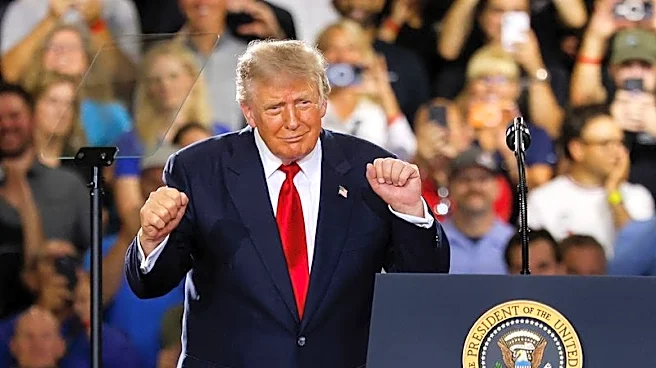
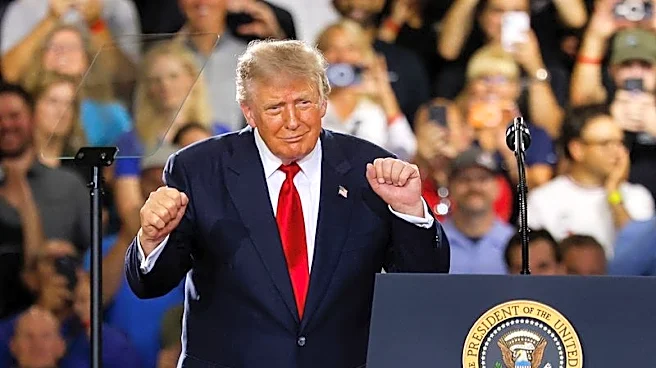
President Donald Trump has called on U.S. oil companies to immediately lower gasoline prices following a significant drop in crude oil futures. This demand was made public through a post on Truth Social, where Trump specifically targeted Chevron CEO Mike
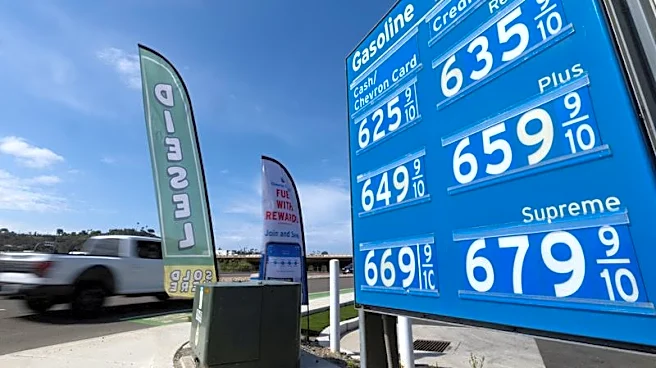
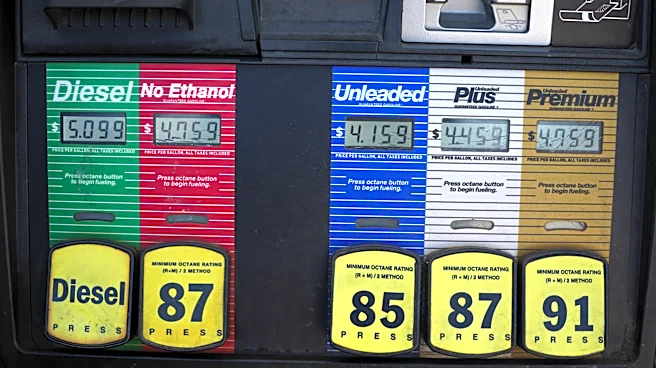
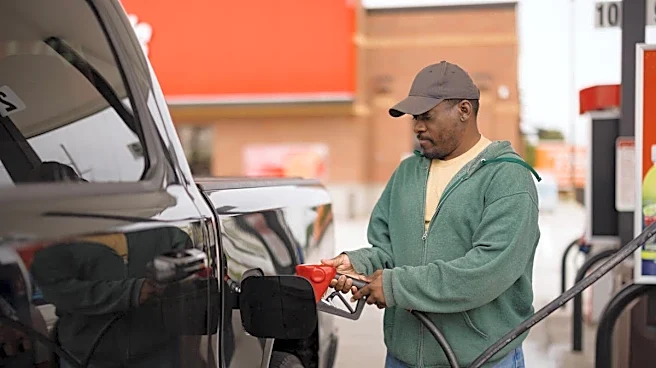
Wirth. Trump criticized Wirth for not acknowledging the administration's efforts in restoring Chevron's operations in Venezuela. The Trump administration had previously reopened access to Venezuela's oil sector, allowing Chevron to resume operations and become a major buyer of Venezuelan crude. Despite a 6% drop in crude prices, the national average for regular gasoline remained at approximately $4.09 per gallon, only slightly lower than the previous week's prices. This situation arises as retail fuel prices often lag behind changes in the oil market due to existing inventory purchased at earlier prices.
Why It's Important?
The demand from President Trump highlights the ongoing tension between the administration and oil companies over fuel prices. With crude prices dropping, there is pressure on oil companies to pass these savings onto consumers. The situation is significant as it affects millions of Americans who are sensitive to changes in fuel prices, impacting their daily expenses. Additionally, the focus on Chevron's operations in Venezuela underscores the geopolitical dimensions of U.S. energy policy, particularly in relation to sanctions and international oil markets. The administration's push for lower prices could lead to increased scrutiny of oil companies' pricing strategies and profit margins, potentially influencing future regulatory actions.
What's Next?
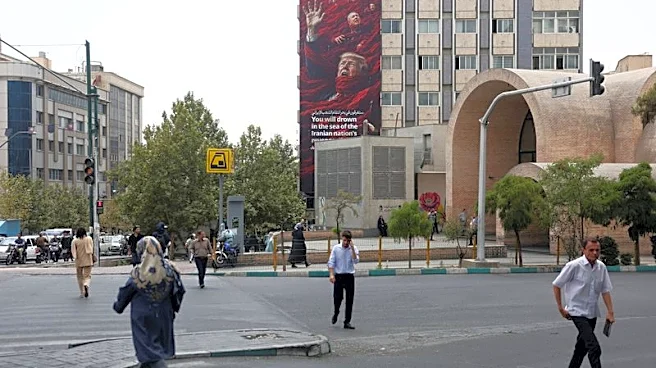
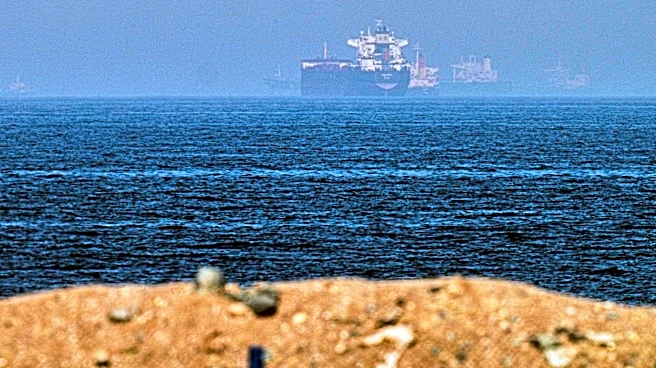
If oil companies do not respond to President Trump's demands, there could be further interventions from the administration. This might include regulatory measures or public pressure campaigns to ensure that lower crude prices are reflected at the pump. Additionally, the ongoing negotiations with Iran and the geopolitical dynamics in the Middle East could further influence oil prices and the administration's energy policies. Stakeholders, including consumers, oil companies, and policymakers, will be closely monitoring these developments to assess their impact on the energy market and broader economic conditions.