
What's Happening?
A United Nations treaty focused on the conservation and sustainable use of marine biological diversity in international waters has officially come into force. This agreement, ratified by over 60 countries,
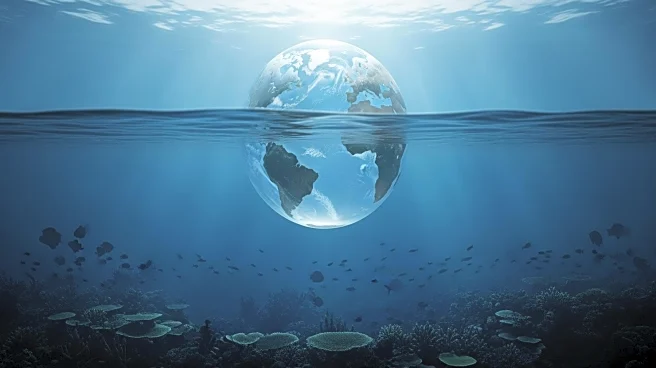
marks a significant step in ocean conservation by establishing a framework for creating Marine Protected Areas (MPAs) in the high seas, which cover half of the Earth's surface. The treaty aims to address issues such as overfishing, plastic pollution, and the impacts of climate change on marine ecosystems. It also includes provisions for sharing genetic resources found in international waters, which could lead to new medical developments. The treaty is seen as a turning point in ocean conservation, providing a mechanism to protect biodiversity hotspots and regulate commercial fishing practices that have historically threatened marine life.
Why It's Important?
The treaty's implementation is crucial for global efforts to protect marine biodiversity and combat climate change. By establishing MPAs, the treaty aims to preserve critical habitats and species, which are essential for maintaining ecological balance and supporting fisheries. The protection of these areas is expected to enhance the resilience of marine life to rising ocean temperatures and other climate-related impacts. Additionally, the treaty's focus on sustainable use of marine resources could lead to economic benefits for countries involved, particularly those reliant on fishing industries. The agreement also highlights the importance of international cooperation in addressing environmental challenges that transcend national borders.
What's Next?
The next steps involve the establishment of rules and oversight structures for the treaty, which will be discussed at an inaugural conference of the parties expected in late 2026. Countries will need to collaborate on selecting areas for protection, considering the shifting ranges of species due to warming seas. Enforcement of the treaty will be a challenge, requiring member states to monitor and regulate activities in protected areas. The success of the treaty will depend on the commitment of countries to ratify and implement its provisions, as well as the use of technology to track and prevent illegal activities in the high seas.