








What's Happening?
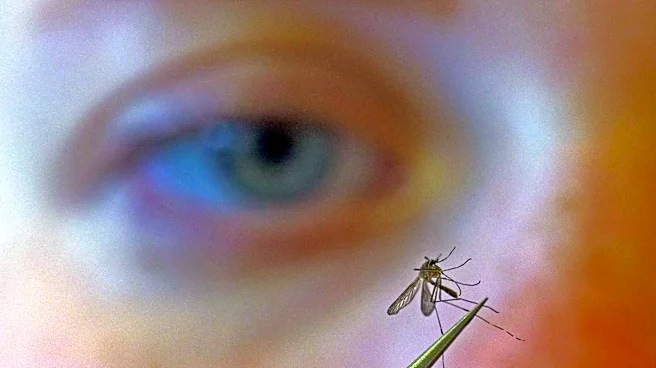
The Centers for Disease Control and Prevention (CDC) has reported a significant rise in emergency room visits due to tick bites, marking the highest rate since 2017. Rebecca Osborn, an epidemiologist with the Wisconsin Department of Health Services, attributes
this increase to climate change, which is enabling ticks to spread into new areas. The lone star tick, known for causing a red meat allergy, and the Powassan virus, which affects the central nervous system, are of particular concern. Despite efforts to educate the public on tick bite prevention, the incidence of tick-borne diseases continues to rise. Camp counselors in Wisconsin are actively teaching children how to check for ticks as part of their summer activities.
Why It's Important?
The spread of ticks and the diseases they carry pose a growing public health challenge in the U.S. As climate change continues to alter ecosystems, ticks are expanding their range, increasing the risk of diseases like Lyme disease and Powassan virus. This trend highlights the broader implications of climate change on public health, necessitating increased awareness and preventive measures. The economic impact is also significant, as healthcare systems may face increased burdens from treating tick-borne illnesses. Vulnerable populations, particularly those in newly affected areas, may be at greater risk, underscoring the need for targeted public health interventions.
What's Next?
As tick season worsens, public health officials are likely to intensify efforts to educate the public on prevention strategies, such as using bug repellents and wearing long clothing. The CDC's guidelines on tick removal and monitoring for symptoms will remain crucial in mitigating the impact of tick-borne diseases. Continued research into the effects of climate change on vector-borne diseases will be essential in developing long-term strategies to address this growing threat. Collaboration between health departments, environmental agencies, and communities will be key in adapting to these changes.