




What's Happening?
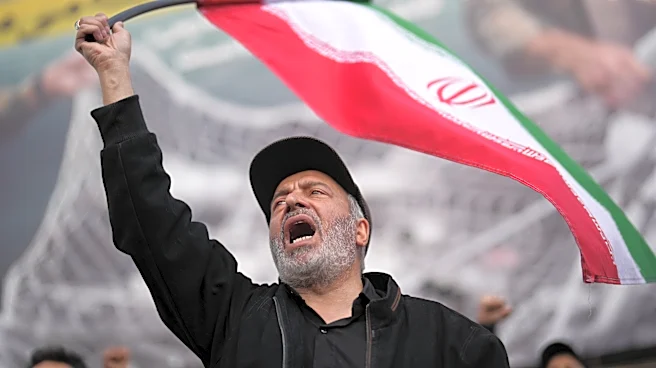
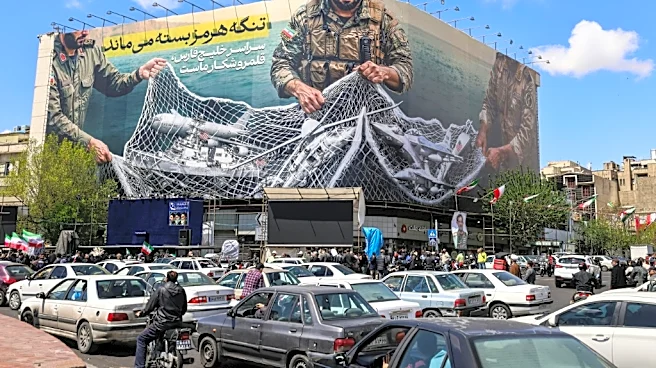
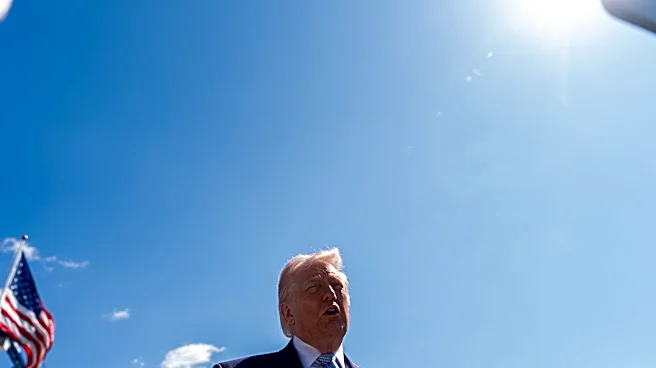
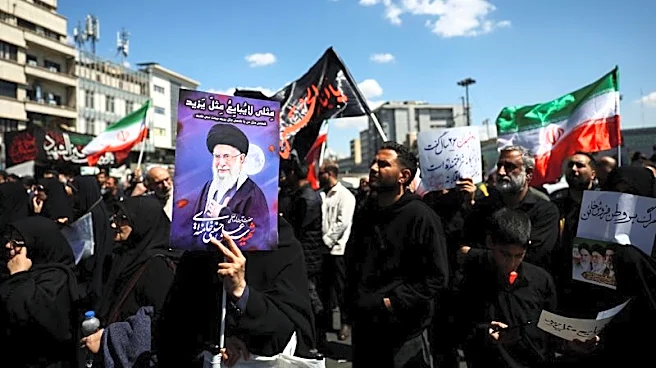
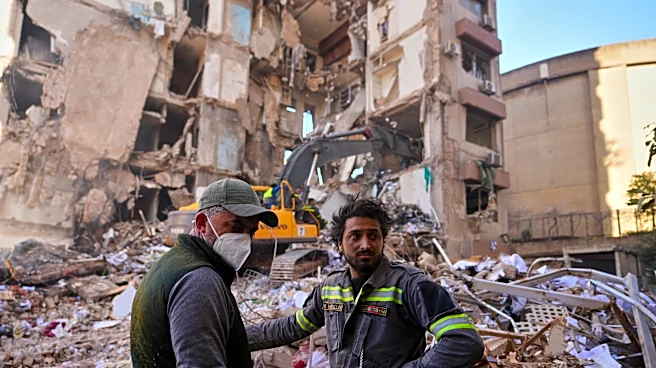
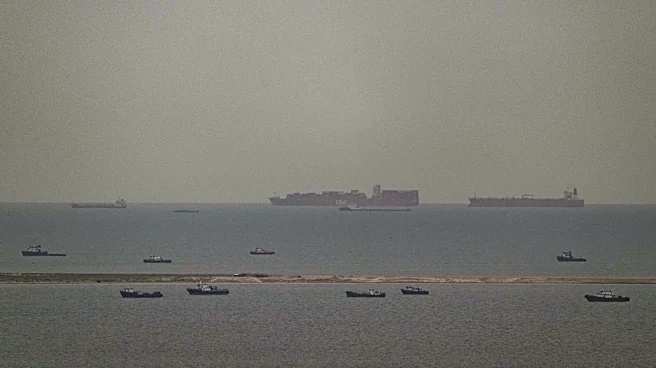
Negotiators from Iran and the U.S. are preparing for high-level talks with a fragile ceasefire in place. The truce is threatened by ongoing Israeli military actions in Lebanon and Iran's control over the Strait of Hormuz. President Trump has criticized
Iran for not allowing free passage of ships through the strait, a critical oil trade route. The U.S. insists on the removal of Iran's enriched uranium stockpile, while Iran maintains its nuclear program is peaceful. The talks are set to occur in Pakistan, with Vice President JD Vance leading the U.S. delegation. Meanwhile, Israel and Lebanon are expected to begin direct negotiations in Washington.
Why It's Important?
The talks are crucial for regional stability and global energy markets. Iran's control over the Strait of Hormuz has caused oil prices to spike, affecting economies worldwide. The U.S. aims to prevent Iran from developing nuclear weapons, a key security concern. The outcome of these negotiations could influence U.S.-Iran relations and impact the broader Middle East peace process. Successful talks could lead to a reduction in tensions and a more stable geopolitical environment, while failure could result in increased conflict and economic disruptions.
What's Next?
The negotiations face significant challenges, with both sides holding firm on critical issues. The U.S. delegation will likely encounter tough discussions on Iran's nuclear program and its control over the Strait of Hormuz. The situation in Lebanon, with ongoing Israeli strikes, adds complexity to the talks. The international community will be closely monitoring the outcome, as it could shape future diplomatic and military strategies in the region. The potential for a broader peace agreement remains uncertain, with many variables at play.