




What's Happening?
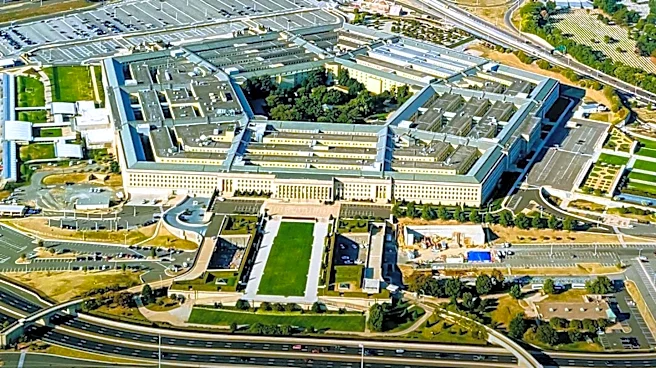
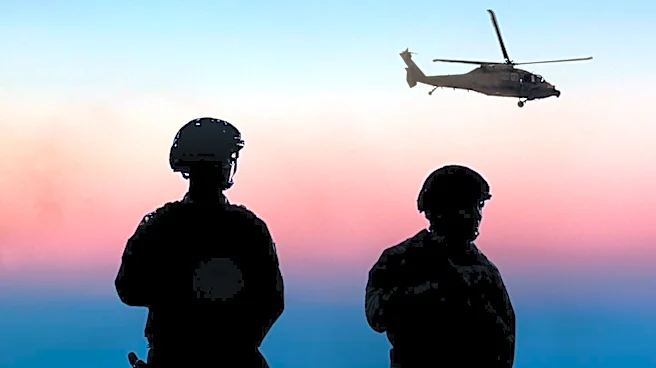
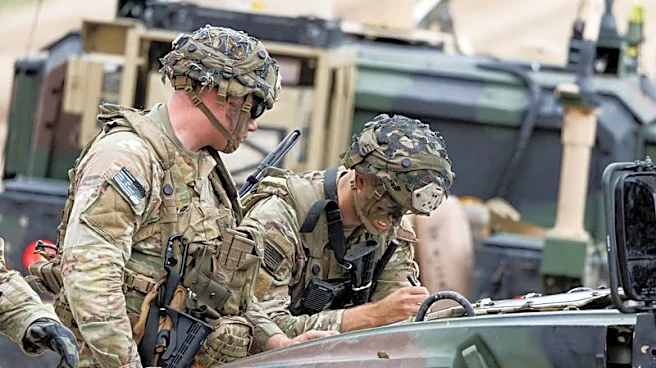
More than 130 Airmen and Guardians have returned to active service in the U.S. Air Force and Space Force after previously leaving due to their refusal to receive the COVID-19 vaccine. This development follows a concerted effort by the Pentagon, initiated
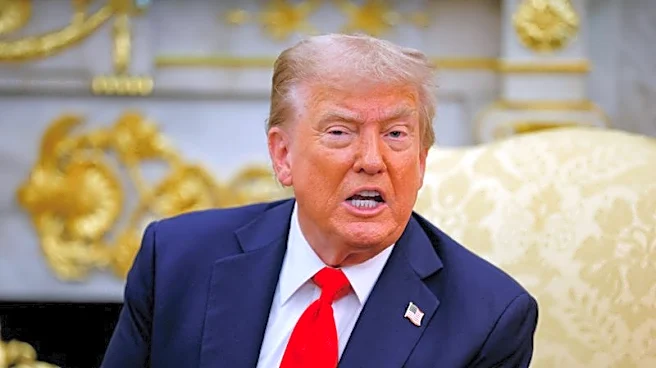
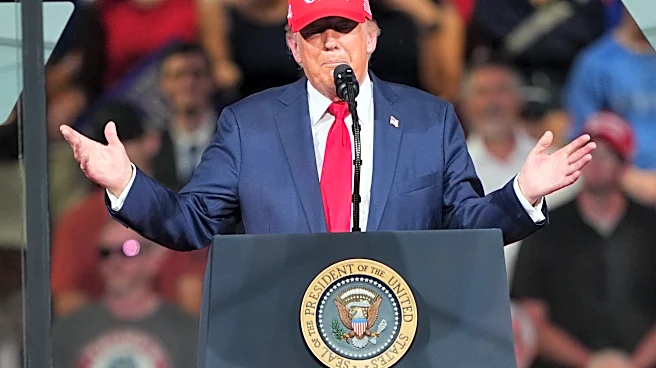
under President Trump's administration in January 2025, to reinstate service members who departed because of the vaccine mandate. Assistant Secretary of the Air Force for Manpower and Reserve Affairs, Richard Anderson, stated that as of September 15, 2026, 137 individuals had applied for reinstatement, with 48 accepted, and an additional 86 returning through the reaccession process, totaling 134 service members. The Department of the Air Force reported in December 2022 that 97.6 percent of its 490,000 members were fully vaccinated before the mandate was lifted by Congress, leaving approximately 11,700 unvaccinated. The Pentagon has extended the application deadline for returnees until April 2027 and reduced the minimum service obligation from four years to two to facilitate their re-entry.
Why It's Important?
This initiative is significant as it addresses the consequences of the COVID-19 vaccine mandate on military personnel and reflects a shift in policy regarding those who refused vaccination. The return of these service members could help alleviate potential staffing shortages and restore experienced personnel to critical roles within the Air Force and Space Force. The Pentagon's active recruitment of these individuals, whom Defense Secretary Pete Hegseth referred to as 'warriors of conscience,' underscores a commitment to reversing previous disciplinary actions related to the mandate. The two distinct pathways for return—reinstatement and reaccession—offer varying benefits, including potential back pay for those who pursue reinstatement, highlighting the government's effort to compensate for past losses. This policy change also sets a precedent for how the military might handle future mandates and dissent among its ranks, potentially influencing recruitment and retention strategies.
What's Next?
The Pentagon has extended the deadline for applications until April 2027, indicating that more Airmen and Guardians are expected to rejoin the service. The Air Force is actively advertising the opportunity for affected individuals to return, with Assistant Secretary Richard Anderson emphasizing a sustained communication program to reach potential returnees. To streamline the process, medical processing and board reviews are now occurring simultaneously, and case managers have been hired to assist applicants. The reduced minimum service obligation of two years, down from four, is also designed to encourage more individuals to consider rejoining. These measures suggest a continued push to reintegrate as many eligible service members as possible, with ongoing efforts to refine the return process and ensure its accessibility.
Beyond the Headlines
The reintegration of service members who refused the COVID-19 vaccine touches upon broader themes of individual liberty versus collective health within a military context. The initial mandate sparked debates about religious freedom, personal autonomy, and military readiness. The current policy shift reflects a re-evaluation of these priorities and the long-term impact of such mandates on military morale and personnel. It also highlights the political dimension of public health policies, as the change was initiated under President Trump's administration. The varying benefits associated with reinstatement and reaccession—particularly the provision of back pay for some—raise questions about equity and fairness for those who complied with the mandate or left for other reasons. This situation could influence future policy-making regarding mandatory vaccinations in the armed forces and potentially in other federal sectors, setting a precedent for how the government balances public health directives with individual rights and workforce retention.