


What's Happening?
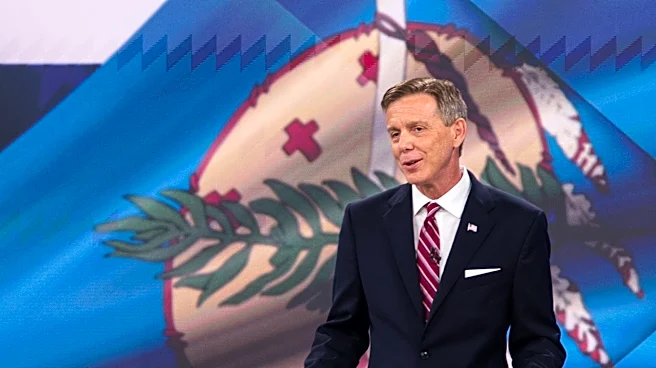
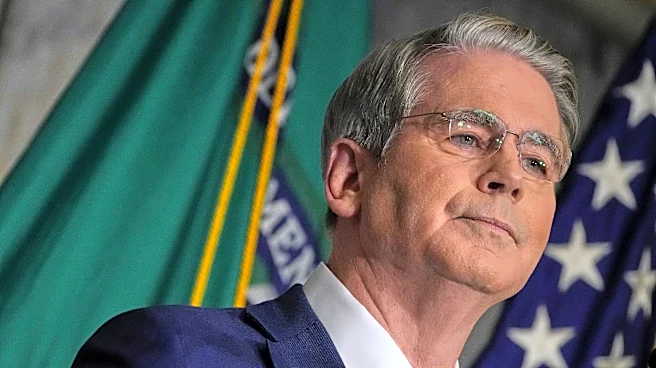
Oklahoma Governor Kevin Stitt has signed an executive order to create the Oklahoma Beef Industry Advisory Council. This council is tasked with developing recommendations to protect and strengthen the state's beef industry. The move comes in response to federal
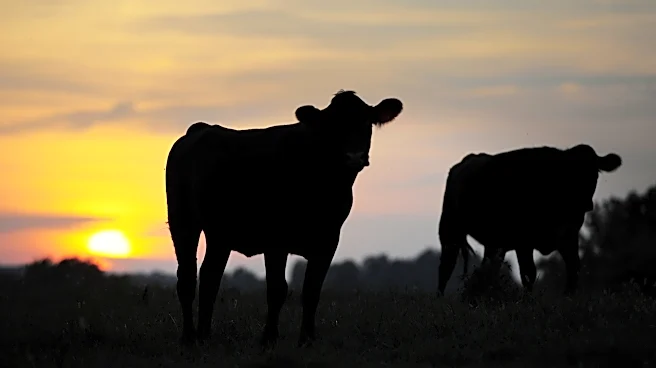
government plans to increase imported beef, which Governor Stitt believes could negatively impact U.S. beef prices and domestic cattle producers. The council will be chaired by Oklahoma Secretary of Agriculture Blayne Arthur and will comprise leaders with expertise in cattle production, beef processing, agricultural economics, and market development. Before establishing the council, Governor Stitt held a roundtable discussion with Secretary Arthur and Oklahoma cattle producers to address challenges facing the industry and explore solutions for the state's beef market. Oklahoma is a significant cattle producer, with approximately 4.65 million cattle and calves, including nearly 2 million beef cows.
Why It's Important?
The formation of the Oklahoma Beef Industry Advisory Council is important for several reasons. It signals a proactive stance by Oklahoma's state government to safeguard a vital sector of its economy against potential federal policy impacts. The beef industry is a key economic driver for Oklahoma, and increased beef imports could lead to lower prices for domestic producers, affecting their livelihoods and the state's agricultural revenue. By focusing on 'free market solutions that remove barriers that drive up cost,' Governor Stitt is advocating for policies that support local producers rather than those that might undercut them. This initiative could serve as a model for other states with significant agricultural sectors facing similar challenges from import policies, highlighting a broader tension between federal trade policies and state-level economic protectionism. The council's recommendations could influence future state legislation and industry practices, aiming to enhance the competitiveness and resilience of Oklahoma's beef market.
What's Next?
The Oklahoma Beef Industry Advisory Council is expected to convene and issue public recommendations on how to support the state's beef industry and the families and businesses involved in cattle production. These recommendations will likely inform future policy decisions and legislative efforts within Oklahoma aimed at mitigating the effects of increased beef imports. The council's work could also lead to new programs or initiatives designed to boost domestic beef consumption, improve processing capabilities, or explore new market opportunities for Oklahoma cattle producers. Depending on the nature of the recommendations, there could be further engagement with federal authorities to advocate for policies that are more favorable to U.S. cattle ranchers. The outcome of these efforts will be closely watched by agricultural communities and policymakers across the nation, particularly in states with strong beef industries.
Beyond the Headlines
Beyond the immediate economic concerns, this initiative touches upon broader themes of state sovereignty and the balance of power between state and federal governments in economic policy. Governor Stitt's statement, 'If Washington wants lower prices for Americans, it should focus on free market solutions that remove barriers that drive up cost, not undercut the American ranchers who feed our country,' underscores a philosophical divide on how best to achieve economic goals. It highlights the ongoing debate about the role of imports in a globalized economy versus the protection of domestic industries. This situation could also bring to light the environmental and ethical considerations associated with large-scale cattle production and beef imports, potentially influencing consumer preferences and industry standards in the long term. The council's work may also explore technological advancements and sustainable practices to enhance the efficiency and competitiveness of Oklahoma's beef industry.