



What's Happening?
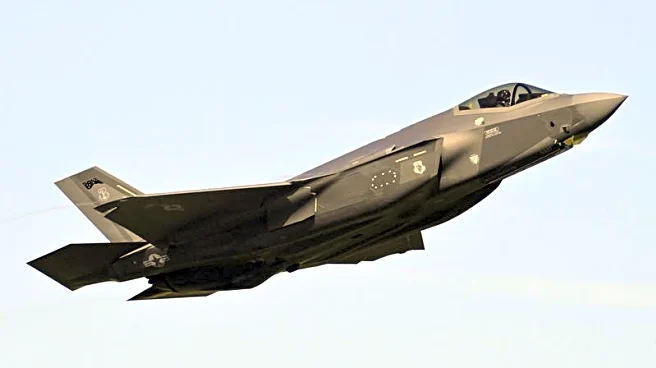
Airbus has suggested a 'two-fighter solution' to address the ongoing deadlock in the Future Combat Air System (FCAS) program, which is a collaborative effort between France, Germany, and Spain. The program, aimed at developing a next-generation fighter jet,
has faced significant delays due to disputes over work share, leadership, and technology transfer. Airbus CEO Guillaume Faury emphasized that while the fighter segment is stalled, other components like the combat cloud and remote drone carriers are progressing well. The proposal for a two-fighter solution is intended to prevent the entire program from being jeopardized by the issues in one segment. The FCAS program, announced in 2017, is crucial for enhancing European defense capabilities.
Why It's Important?
The FCAS program is a significant initiative for European defense, aiming to develop a sixth-generation air combat system. Its success is vital for maintaining and advancing Europe's military capabilities in a rapidly evolving global defense landscape. The program's delays and disputes highlight the challenges of multinational defense collaborations, particularly concerning technology sharing and leadership roles. A successful resolution could strengthen European defense integration and innovation, while failure could lead to strategic gaps in military capabilities. The outcome of this program will have implications for defense contractors, military strategies, and geopolitical alliances within Europe.
What's Next?
The next steps involve decisions from the program's customers, primarily France and Germany, on whether to adopt the two-fighter solution proposed by Airbus. This decision will determine the future direction of the FCAS program. Additionally, there may be further negotiations to address the underlying issues of work share and technology transfer. The resolution of these issues is crucial for the program's continuation and success. Stakeholders, including defense ministries and contractors, will be closely monitoring these developments to align their strategies accordingly.