




What's Happening?
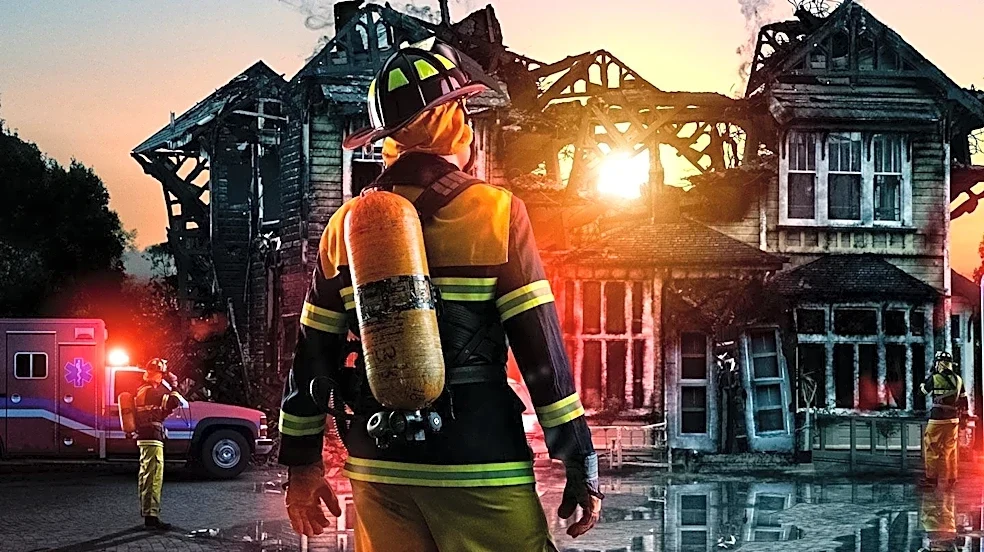
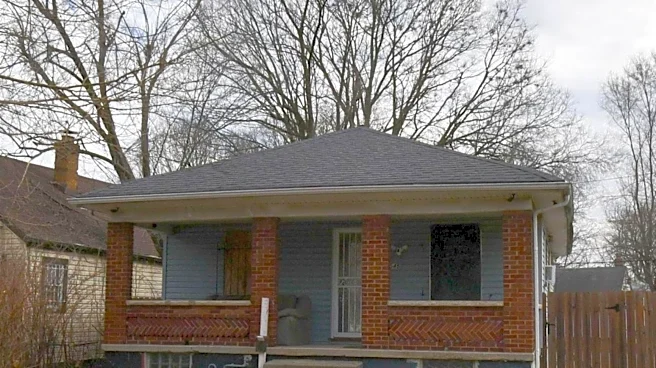
An elderly woman has died following a house fire in Lockland, Ohio. Fire crews were dispatched to the 400 block of Patterson Avenue around 9:30 a.m. on Sunday. Lockland Fire Chief Doug Wehmeyer reported that the response of emergency personnel was significantly
delayed due to a train crossing. What would typically be a 30-second journey for the fire crews took seven minutes because of the stopped train. Crews from St. Bernard and Lockland both responded to the incident. Authorities have not yet released the identity of the victim, nor have they determined the cause of the fire. Investigations into the circumstances surrounding the fire and the victim's death are ongoing.
Why It's Important?
This incident highlights critical issues concerning emergency response times and infrastructure challenges in communities. The delay caused by a train crossing directly impacted the ability of fire crews to reach the scene promptly, potentially affecting the outcome of the emergency. This situation underscores the need for urban planning and emergency protocols that account for potential obstructions like railway lines, especially in areas where rapid response is crucial for saving lives and property. It also brings to light the vulnerability of elderly residents, who may have limited mobility and require faster assistance during emergencies. The event could prompt local authorities to review and revise emergency response strategies and infrastructure planning to mitigate similar delays in the future, ensuring that fire and rescue services can operate without undue hindrance.
What's Next?
Authorities will continue their investigation to identify the victim and determine the cause of the fire. This will involve forensic analysis of the fire scene and potentially an autopsy to confirm the cause of death. In parallel, the significant delay caused by the train crossing is likely to trigger a review by local emergency services and municipal planning departments. Discussions may arise regarding the implementation of new protocols or infrastructure improvements, such as alternative routes for emergency vehicles or enhanced communication systems with railway operators, to prevent similar delays in future emergencies. The community may also see increased awareness campaigns on fire safety, particularly for elderly residents, and discussions about improving access for emergency responders in areas with railway lines.
Beyond the Headlines
The tragic death in Lockland extends beyond a single incident, touching upon broader societal and infrastructural challenges. The delay caused by the train crossing highlights a systemic issue in many communities where urban development and transportation infrastructure intersect without adequate consideration for emergency services. This event could spark a wider conversation about the need for integrated planning between railway companies, local governments, and emergency responders to ensure that critical services are not impeded. It also raises ethical questions about the balance between commercial rail operations and public safety, particularly in densely populated areas. The long-term implications could include policy changes at the state or even federal level regarding railway crossings and emergency access, potentially leading to investments in overpasses, underpasses, or advanced warning systems to prioritize public safety.