







What's Happening?
Effective June 1, 2027, Rhode Island will introduce new requirements for radon testing and mitigation in residential real estate transactions. The Rhode Island Association of REALTORS® (RIAR) has developed a printable Radon Testing and Mitigation Flip
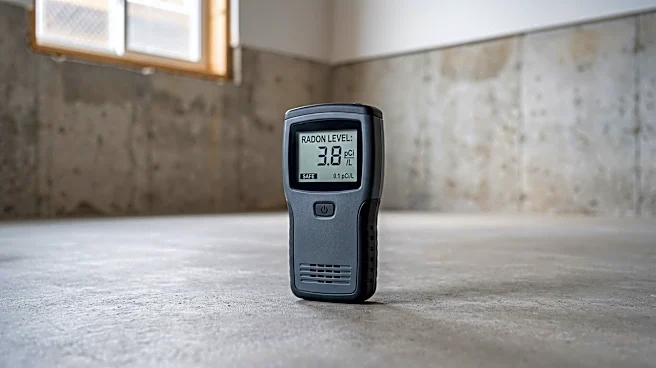
Book to help realtors understand these changes. The new law mandates radon testing for most residential real estate transactions, including single-family homes, duplexes, and multi-family properties, within one year before closing. Testing must be conducted by a certified or licensed professional, with DIY kits not meeting the requirement. Test results must be disclosed to the buyer, seller, and any designated lender. If radon levels exceed 4.0 picocuries per liter (pCi/L), a mitigation system must be installed by a certified professional before closing, if feasible. An escrow option is available if mitigation cannot be completed prior to closing, with funds distributed according to a buyer-seller agreement. Unless otherwise agreed, the buyer typically covers testing costs if the seller has not provided qualifying safe radon level results. RIAR has updated its Purchase and Sales Agreements to include a new Radon Testing and Mitigation Requirements section, which will be sent to forms vendors in mid-November.
Why It's Important?
This new legislation is significant for the Rhode Island real estate market, impacting buyers, sellers, and real estate professionals. It aims to enhance public health by addressing radon exposure, a known carcinogen, in residential properties. For buyers, the law provides greater transparency and protection, ensuring they are aware of potential radon risks and that mitigation measures are taken. Sellers will need to factor in the cost and time associated with testing and potential mitigation, which could influence property pricing and transaction timelines. Real estate agents, in particular, must familiarize themselves with the updated regulations and revised purchase agreements to ensure compliance and effectively guide their clients. The escrow option offers flexibility, preventing transactions from stalling due to last-minute mitigation needs. The mandatory professional testing ensures accuracy and reliability, moving away from less dependable DIY methods. This proactive measure by Rhode Island reflects a growing trend in states to address environmental health concerns within real estate transactions.
What's Next?
REALTORS® in Rhode Island are advised to begin preparing for the new law now, even though it takes effect in June 2027. They should inform clients about the upcoming requirements, review transaction exemptions, and identify certified or licensed radon professionals through the Rhode Island Department of Health. RIAR's Radon Testing and Mitigation Flip Book will serve as a crucial resource for understanding the new requirements and answering common questions from buyers and sellers. The updated Purchase and Sales Agreements will be distributed in mid-November, allowing realtors time to adapt to the changes. The Rhode Island Department of Health's Radon Program and the RIAR Legal Department are available for additional information. Stakeholders should anticipate potential adjustments to transaction timelines due to testing and mitigation processes, emphasizing the importance of early preparation to avoid delays.
Beyond the Headlines
The implementation of Rhode Island's new radon law highlights a broader societal shift towards increased environmental health awareness and consumer protection in housing. Radon, a naturally occurring radioactive gas, is a leading cause of lung cancer among non-smokers, making this legislation a critical public health initiative. Beyond the immediate transactional impacts, this law could influence property values, with homes demonstrating low radon levels or effective mitigation systems potentially holding greater appeal. It also underscores the evolving responsibilities of real estate professionals, who are increasingly expected to be knowledgeable about environmental hazards and regulatory compliance. The law may also spur innovation in radon testing and mitigation technologies and services within the state. This move by Rhode Island could set a precedent for other states to adopt similar comprehensive radon regulations, further integrating environmental safety into real estate practices nationwide.