





What's Happening?
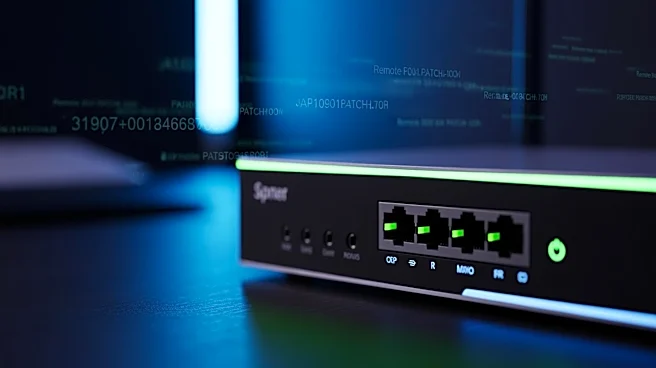
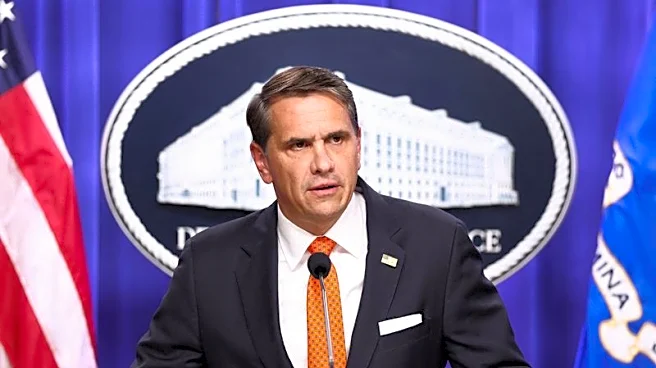
The FBI, in collaboration with the US Department of Justice, has executed a remote patching operation on thousands of privately-owned routers in the United States. This action, part of Operation Masquerade, was authorized by court orders to counteract
Russian military intelligence activities. The Russian GRU had been exploiting vulnerabilities in routers, primarily from TP-Link and Mikrotik, to redirect user traffic through malicious DNS resolvers, thereby capturing sensitive data such as passwords. The FBI's intervention involved replacing these malicious resolvers with legitimate ones provided by users' internet service providers. This operation was conducted without prior notification to the router owners, but extensive testing ensured no disruption to normal router functionality. The GRU's activities, attributed to the cyber threat group Fancy Bear, had been ongoing since at least 2024, affecting over 18,000 routers globally by the end of 2025.
Why It's Important?
This operation underscores the significant cybersecurity threats posed by state-sponsored actors like the Russian GRU. The FBI's proactive measures highlight the vulnerabilities in consumer-grade routers, which are often overlooked in cybersecurity defenses. The intervention not only protected sensitive user data but also demonstrated the capability of law enforcement to counteract sophisticated cyber threats. This action is particularly relevant as it coincides with the US Federal Communications Commission's recent decision to ban the import of new foreign-made consumer routers over security concerns. The operation also raises questions about privacy and the extent of government intervention in private networks, setting a precedent for future cybersecurity measures.
What's Next?
Following the FBI's intervention, users are advised to update their router firmware, verify DNS settings, and change default credentials to prevent future exploits. The US government may continue to enhance its cybersecurity strategies, potentially leading to more stringent regulations on consumer electronics. TP-Link, a major player in the router market, has stated its intention to defend its reputation amidst these security concerns. The broader implications for international relations and cybersecurity policies remain to be seen, as countries may respond to these actions with their own measures.