







What's Happening?
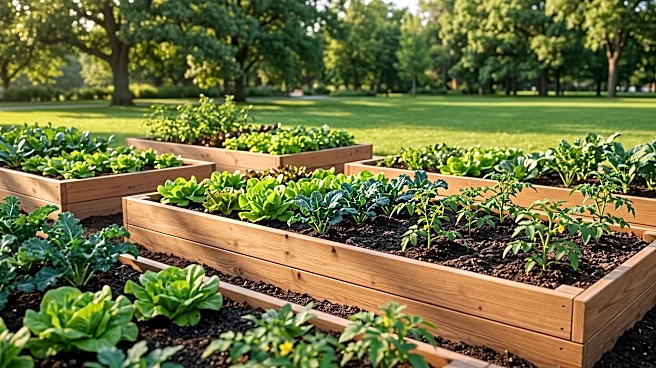
The Oak Forest Community Garden, a non-profit urban teaching garden located within Oak Forest Park and the University District in Little Rock, Arkansas, provides residents with opportunities to engage in sustainable gardening. The garden features over
30 community garden plots, allowing individuals to grow their own fresh produce. Beyond cultivation, it serves as an educational hub, offering programs that teach agricultural practices. The site also hosts the seasonal University District Farmers’ Market, which further supports local food systems and provides a marketplace for fresh goods. The Oak Forest Community Garden collaborates with various local organizations to advance healthy living, improve food access, and promote environmental stewardship within the community.
Why It's Important?
This community garden plays a vital role in enhancing the quality of life and sustainability within Little Rock's urban landscape. By offering garden plots, it directly addresses food security and access to fresh, nutritious produce for local residents, particularly in an urban setting where such resources might be limited. The educational programs are crucial for fostering agricultural literacy and environmental awareness, empowering community members with practical skills in sustainable gardening. The presence of a seasonal farmers' market not only supports local growers but also strengthens the local economy and provides a direct link between producers and consumers. Furthermore, the garden acts as a community gathering space, promoting social interaction, fostering a sense of belonging, and encouraging collective efforts towards environmental stewardship and healthy lifestyles.
What's Next?
The Oak Forest Community Garden is poised to continue its role as a central pillar for sustainable living and community engagement in Little Rock. Future initiatives may involve expanding the number of garden plots to accommodate more residents, diversifying educational programs to cover a wider range of sustainable practices, or increasing partnerships with local organizations to broaden its impact on food access and environmental health. The success of the seasonal University District Farmers’ Market could lead to its expansion or more frequent operation, further solidifying its role in the local food system. The garden's ongoing efforts are likely to inspire similar urban green initiatives, contributing to a more resilient and food-secure urban environment.
Beyond the Headlines
The Oak Forest Community Garden represents more than just a place to grow food; it embodies a philosophy of urban resilience and community empowerment. In an era of increasing urbanization, such initiatives are critical for reconnecting city dwellers with the natural world and the origins of their food. It challenges the notion that agriculture is solely a rural endeavor, demonstrating how urban spaces can be transformed into productive and educational landscapes. The garden also serves as a tangible example of how local, grassroots efforts can contribute significantly to broader environmental goals, such as biodiversity conservation and climate change adaptation, by integrating green infrastructure into the urban fabric. This model fosters a sense of collective responsibility and provides a practical pathway for citizens to actively participate in creating healthier, more sustainable communities.