

What's Happening?
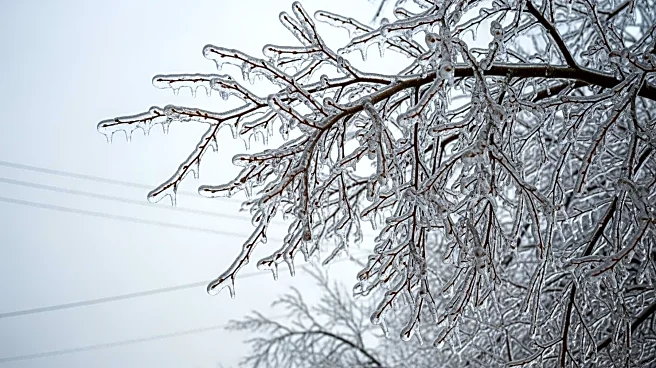
Mississippi is grappling with the aftermath of a severe ice storm, the worst in over 30 years, which has left a significant portion of the state without power. As of Monday, power outages in Mississippi were the highest in the region, with over 150,000
homes affected. The Tennessee Valley Authority (TVA) reported downed high voltage lines, complicating efforts to restore electricity. The storm has also disrupted water and natural gas services in some areas, exacerbating the situation. Residents are facing life-threatening conditions due to the cold, with many relying on generators and makeshift heating solutions. The state government, led by Governor Tate Reeves, is deploying National Guard troops to assist with debris removal and traffic control, and has requested additional generators from the Federal Emergency Management Agency (FEMA) to support critical infrastructure.
Why It's Important?
The ice storm's impact on Mississippi highlights the vulnerability of infrastructure in the face of extreme weather events. The prolonged power outages pose significant challenges for residents, particularly in one of the nation's poorest states, where resources for emergency response are limited. The situation underscores the need for improved infrastructure resilience and emergency preparedness to mitigate the effects of such natural disasters. The economic implications are also considerable, as businesses remain closed and residents face increased costs for alternative heating and accommodation. The state's response, including the deployment of the National Guard and requests for federal assistance, reflects the severity of the crisis and the urgent need for coordinated efforts to restore normalcy.
What's Next?
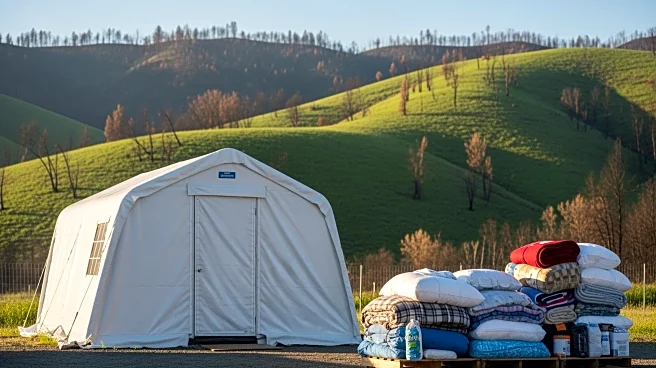
Efforts to restore power and services in Mississippi are ongoing, with the TVA working to reconnect local utilities. The state government is focused on clearing debris and ensuring the operation of shelters and warming centers. As another storm front is expected, the situation remains precarious, with potential for further disruptions. The response from federal agencies, including FEMA, will be crucial in providing the necessary resources to support recovery efforts. Long-term, the state may need to reassess its infrastructure and emergency response strategies to better withstand future weather-related challenges.