
What's Happening?
The practice of gerrymandering in the United States is entering a new phase, with recent developments highlighting its persistent influence on political representation. Historically rooted in American
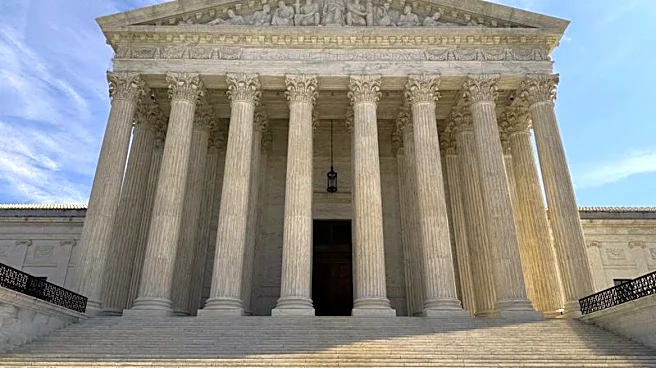
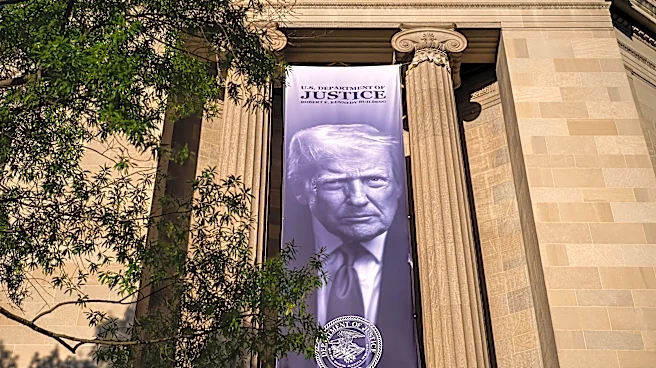
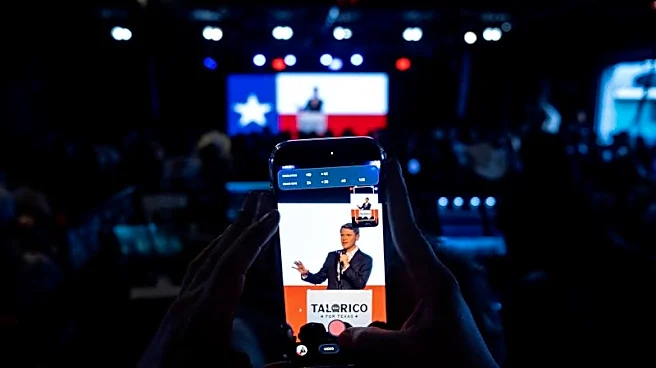
politics, gerrymandering involves manipulating electoral district boundaries to favor specific political parties. Recent actions, such as the Texas state legislature's redistricting under President Trump's direction, have intensified partisan divides. The Supreme Court's Callais decision further complicates the landscape by affecting the Voting Rights Act's provisions. This ongoing manipulation of district boundaries underscores the challenges of achieving fair representation in the U.S. political system.
Why It's Important?
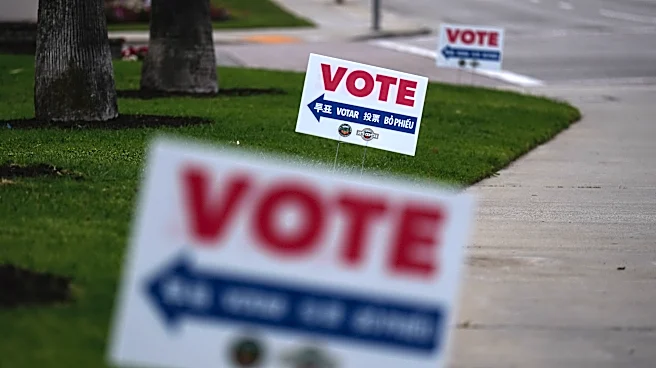
Gerrymandering poses significant challenges to democratic principles by skewing representation and entrenching partisan divides. It undermines the concept of 'one person, one vote,' leading to disproportionate political power and disenfranchisement of minority groups. The practice exacerbates political polarization and diminishes public trust in electoral processes. Addressing gerrymandering is crucial for ensuring fair and equitable representation, which is foundational to a functioning democracy. The current landscape calls for renewed efforts to reform districting practices and explore alternative systems, such as proportional representation, to enhance democratic integrity.
What's Next?
Efforts to combat gerrymandering may involve legislative and judicial actions aimed at establishing fairer districting practices. Advocacy for independent redistricting commissions and legal challenges to partisan maps are likely to continue. Additionally, public awareness and engagement on the issue could drive demand for reforms. The upcoming elections will serve as a critical test of the current districting landscape, potentially influencing future policy decisions and legal precedents.