



What's Happening?
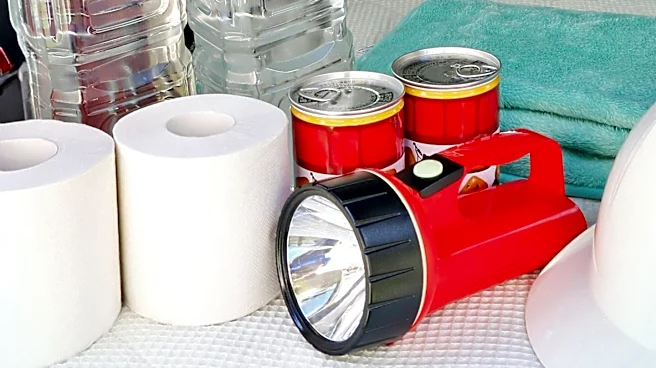
The American Red Cross is highlighting that effective disaster preparedness extends beyond simply assembling an emergency kit to include acquiring lifesaving skills. Dr. Matthew Levy, a veteran disaster medical responder and member of the American Red Cross Scientific
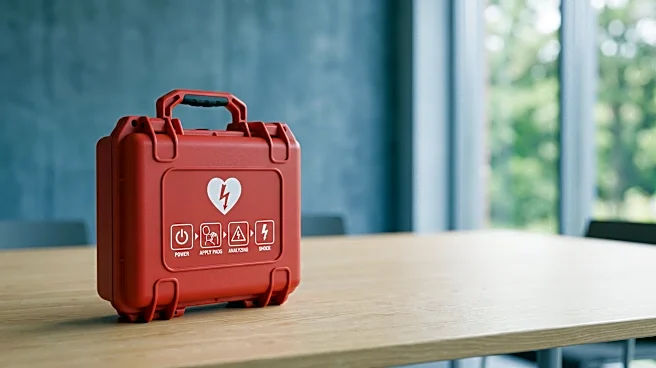
Advisory Council, emphasizes that in critical moments during a disaster, bystanders are often the immediate source of care. He points out that professional help can be delayed due to impassable roads, power outages, and strained emergency services. Therefore, training in CPR, AED use, and First Aid is essential. These skills enable individuals to control severe bleeding, care for wounds, respond to allergic reactions, treat dehydration, identify heat-related illnesses, and assist with breathing difficulties, particularly those caused by wildfire smoke. The Red Cross stresses that while supplies are important for sustenance, trained individuals can save lives and prevent medical emergencies from escalating into tragedies.
Why It's Important?
This emphasis on lifesaving skills by the American Red Cross is crucial for enhancing community resilience across the U.S., especially as disasters become more frequent and severe. The ability of ordinary citizens to provide immediate medical assistance can significantly impact survival rates and reduce the burden on overwhelmed emergency services. Wildfire smoke, for instance, contains fine particles that pose serious respiratory and cardiovascular health risks, making first aid knowledge for breathing difficulties particularly relevant. By empowering individuals with these skills, communities can mitigate the public health impacts of disasters, which often include increased cardiovascular disease risk, especially among vulnerable populations. This initiative aims to create a more robust safety network, ensuring that critical care can be administered during the vital minutes before professional responders arrive, thereby protecting health during emergencies and throughout the recovery process.
What's Next?
The American Red Cross encourages individuals to take immediate steps to improve their disaster preparedness. This includes staying informed about local disaster risks, creating a family emergency plan, and regularly checking and stocking go-kits and stay-at-home kits. Crucially, the organization urges people to enroll in CPR, AED, and First Aid classes, which are available through the American Red Cross. They also advise knowing the location of AEDs in homes, workplaces, and public spaces. Furthermore, the Red Cross advocates for turning preparedness into a community effort by encouraging family members, coworkers, and neighbors to learn these skills. The goal is to build communities that are not only equipped with supplies and plans but also filled with people ready and confident to act when an emergency strikes, thereby strengthening the overall safety network.
Beyond the Headlines
The Red Cross's focus on lifesaving skills reflects a broader societal recognition that individual preparedness is a cornerstone of national resilience in the face of escalating environmental and public health challenges. This initiative moves beyond a purely material approach to disaster readiness, highlighting the human element as a critical factor in mitigating harm. It implicitly addresses the ethical dimension of community responsibility, where individuals are encouraged to become active participants in collective safety rather than passive recipients of aid. This shift could foster a more self-reliant and interconnected society, where neighbors are better equipped to support each other during crises. Moreover, it underscores the long-term health implications of disasters, such as prolonged exposure to wildfire smoke, and positions basic medical training as a vital tool for protecting public health in an era of increasing climate volatility.