






What's Happening?
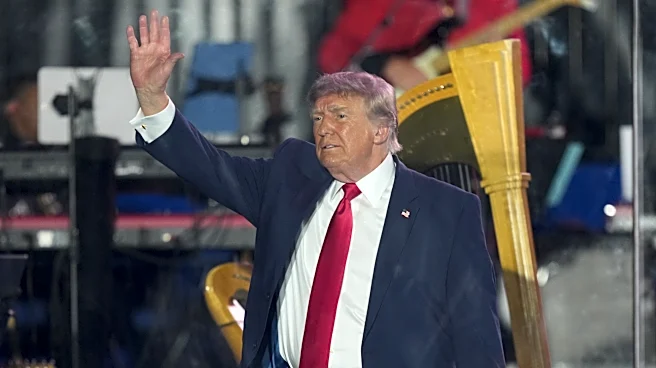
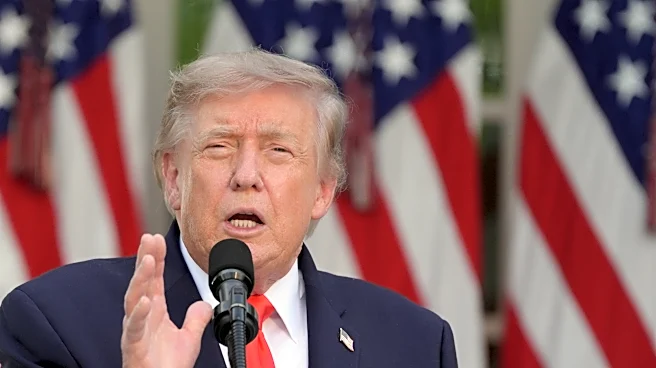
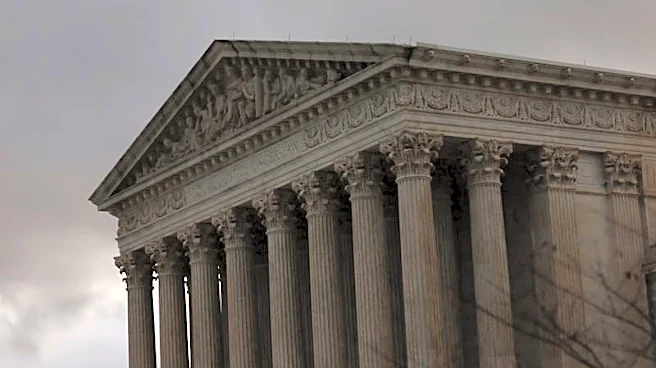
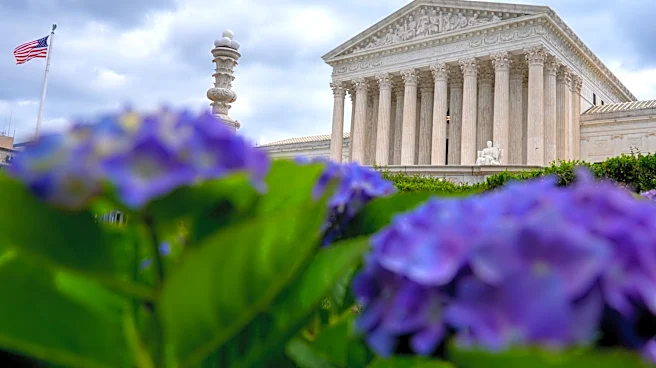
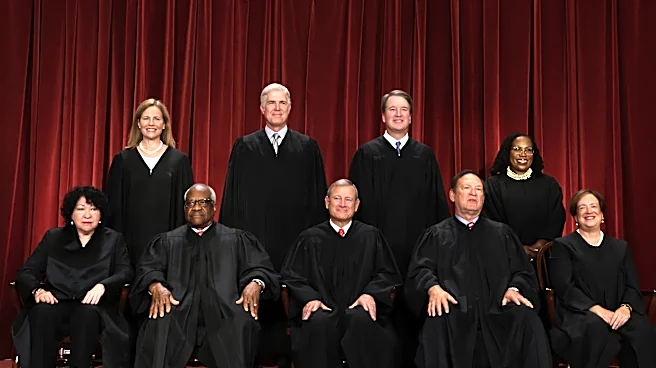
The U.S. Supreme Court has delivered a major legal victory to President Donald Trump by ruling in favor of the administration on key immigration cases. The court's decisions allow the Trump administration to end Temporary Protected Status (TPS) for migrants
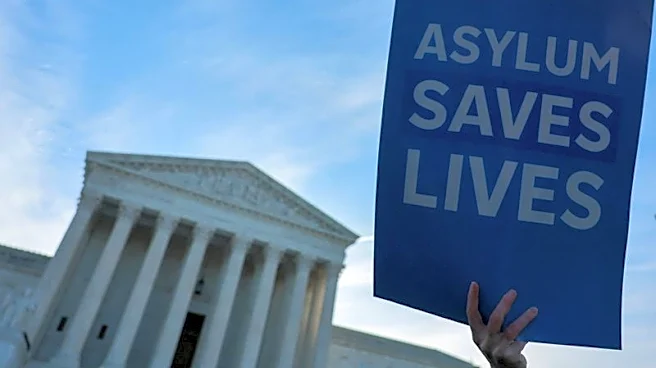
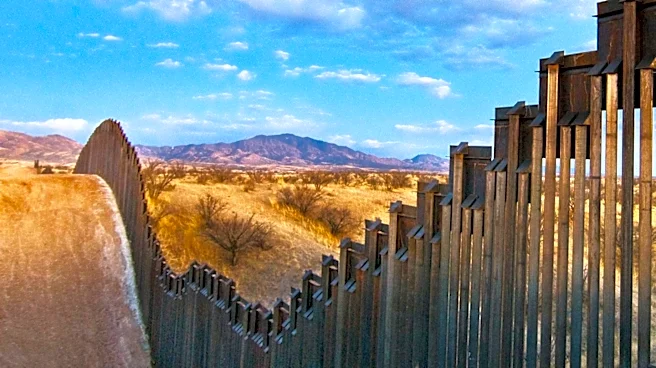
from several countries and to enforce stricter asylum policies at the U.S.-Mexico border. These rulings, decided by a 6-3 majority, grant the administration significant authority to manage immigration policies, including the ability to deport migrants and limit asylum claims. The decisions are part of a broader effort by the administration to reshape U.S. immigration policy and reduce judicial oversight.
Why It's Important?
The Supreme Court's rulings have significant implications for U.S. immigration policy and the lives of millions of migrants. By allowing the administration to end TPS and restrict asylum, the court has effectively expanded executive control over immigration, reducing the role of judicial review. This shift could lead to increased deportations and limit the ability of migrants to seek legal protection in the U.S. The decisions also highlight the administration's focus on tightening immigration controls, which could impact political debates and legislative efforts related to immigration reform. The rulings may also influence future legal challenges and policy decisions regarding immigration.
What's Next?
Following these rulings, the Trump administration is expected to proceed with plans to terminate TPS for several countries and enforce stricter asylum policies. This could result in the loss of legal status for hundreds of thousands of migrants, prompting advocacy groups to call for legislative action to protect affected individuals. The decisions may also lead to further legal challenges and debates over the balance of power between the executive branch and the judiciary in shaping immigration policy. As the administration implements these changes, stakeholders, including lawmakers, immigrant rights organizations, and affected communities, will likely engage in discussions and actions to address the consequences of these rulings.