


What's Happening?
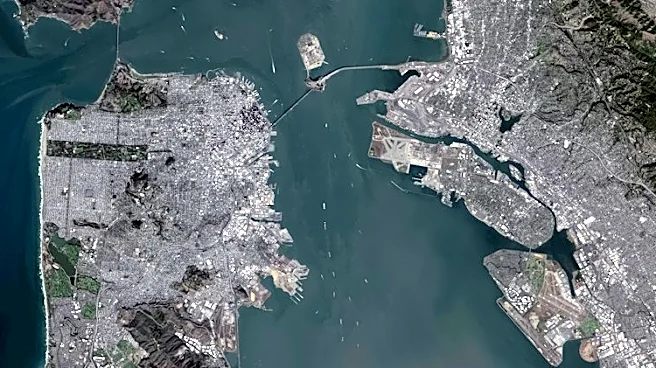
The San Francisco Bay Area is experiencing increasingly frequent and severe flooding, with extreme king tides anticipated to peak around Thanksgiving. This situation is exacerbated by the ongoing El Niño phenomenon and rising sea levels, leading to significant
inundation in coastal and inland areas from Monterey Bay to Pacifica and along the San Joaquin-Sacramento River Delta. Joe Merchant of the National Weather Service’s Bay Area office noted that tides were already above 7 feet by Thursday, with Friday tides reaching approximately 7.5 feet. He forecasts tides to be 1.5 feet higher than predicted due to thermal expansion of the Pacific Ocean from El Niño. This elevated water level, combined with potential storm surges from low pressure, large waves, or heavy rain runoff, could result in record-breaking flooding. Residents like Sasha Cole, who lives on a houseboat in Mill Valley, report that what was once a several-times-a-year problem has become an almost daily occurrence, making access to and from his home impassable for hours.
Why It's Important?
This escalating flood risk poses significant challenges for Bay Area communities, impacting daily life, infrastructure, and property. The increased frequency and severity of flooding, described by forecaster Jan Null as a preview of future climate change impacts, highlight the vulnerability of coastal regions to environmental shifts. Residents face disruptions to transportation, potential damage to homes, and the psychological stress of constant vigilance. The situation underscores the urgent need for enhanced flood preparedness and adaptation strategies. Businesses in affected areas could experience economic losses due to closures and reduced accessibility, while local governments may face increased costs for emergency response, infrastructure repairs, and long-term mitigation efforts. The events serve as a stark reminder of the real-world consequences of climate change and El Niño on densely populated coastal areas.
What's Next?
High tides and coastal flood advisories are expected to continue in the coming weeks, particularly as the king tides, the highest of the year, build around November 20 and peak during Thanksgiving week. The National Weather Service anticipates these elevated water levels to persist throughout the winter season until the effects of El Niño begin to wane in the new year. Residents are advised to prepare for potential disruptions, including impassable roads and possible utility outages. Individuals like Sasha Cole are taking proactive measures, such as adjusting mooring lines for houseboats, to mitigate potential damage. Local authorities and emergency services will likely remain on high alert, issuing advisories and warnings as conditions evolve. The long-term outlook suggests a need for sustained efforts in climate adaptation and infrastructure resilience to cope with what is being termed the 'new norm' for the region.
Beyond the Headlines
The ongoing flooding in the Bay Area transcends immediate inconvenience, offering a tangible glimpse into the future impacts of climate change. As Jan Null stated, "We’re kind of seeing what climate change might look like 30 to 50 years from now, when the ocean has risen even more." This situation raises profound questions about urban planning, coastal development, and the sustainability of current living arrangements in vulnerable areas. The daily struggles faced by residents like Sasha Cole, who must choose between work and home access, highlight the personal toll of environmental changes. It also brings to the forefront the ethical considerations of protecting vulnerable populations and ensuring equitable access to resources and safety during such events. The need for innovative solutions, from resilient infrastructure to community-based support systems, becomes paramount as these environmental shifts accelerate, challenging existing legal frameworks and cultural norms regarding land use and environmental responsibility.