


What's Happening?
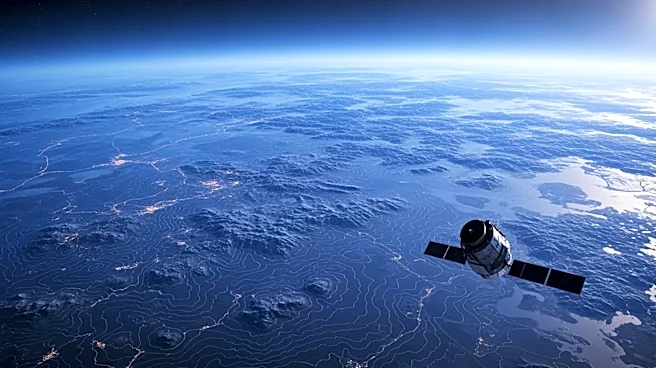
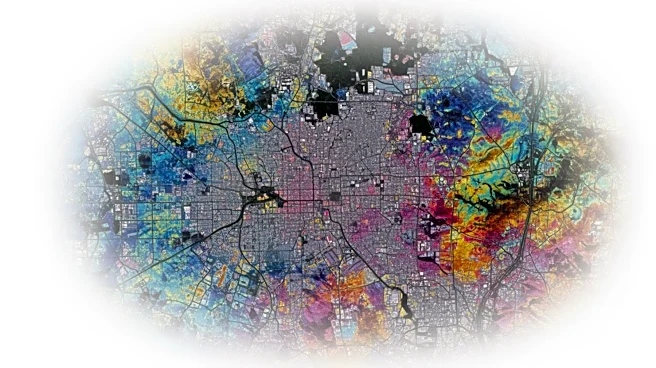
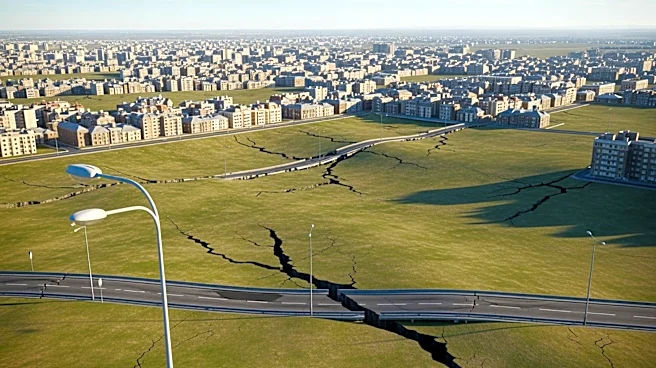
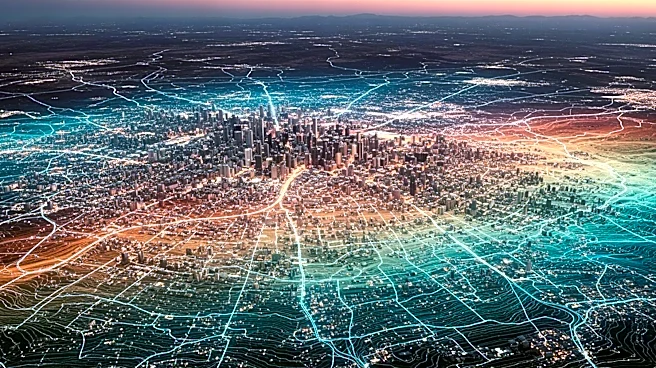
Mexico City, one of the largest cities in North America, is experiencing significant subsidence, sinking nearly 10 inches annually. This alarming rate of descent has been captured by NASA's NISAR satellite, which monitored the city from October 2025 to January
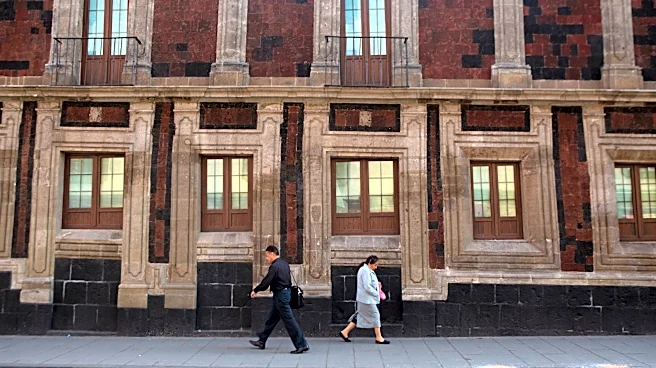
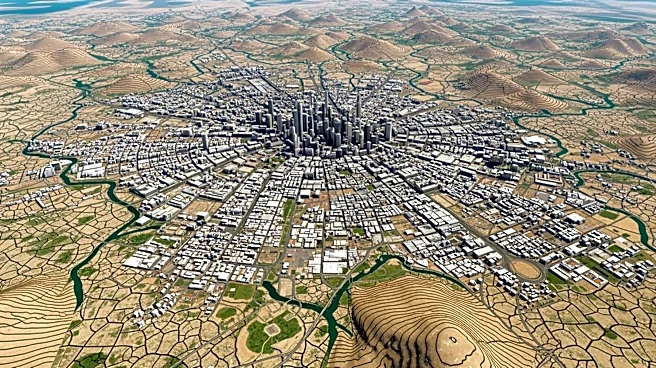
2026. The data reveals that areas such as the central airport and the Angel of Independence monument are subsiding at a rate of 0.78 inches per month. The city's foundation, originally built on an ancient lake bed, is being compromised due to extensive groundwater pumping and urban development, leading to near-depletion of the aquifer. This has caused some regions to sink over 39 feet in less than a century, with certain areas experiencing elevation changes of up to 127 feet. The subsidence is visibly affecting critical infrastructure, including the subway, drainage, and water systems.
Why It's Important?
The rapid sinking of Mexico City poses a significant threat to its infrastructure and the safety of its over 22 million residents. The subsidence could lead to severe damage to essential services such as transportation and water supply, potentially displacing millions. The situation highlights the urgent need for sustainable urban planning and water management practices. The data provided by NASA's satellite offers a crucial tool for understanding and addressing the problem, allowing for more informed decision-making to mitigate future risks. The potential for a major water shortage due to the shrinking aquifer adds another layer of urgency to the issue, emphasizing the need for immediate action to prevent a humanitarian crisis.
What's Next?
Researchers aim to use the satellite data to assess subsidence rates on a building-by-building basis, which could inform strategies to mitigate damage. This detailed analysis will be crucial for developing long-term solutions to stabilize the city's infrastructure. Policymakers and urban planners may need to implement stricter regulations on groundwater extraction and explore alternative water sources to alleviate pressure on the aquifer. Additionally, public awareness campaigns could be launched to educate residents about water conservation and the importance of sustainable development practices.
Beyond the Headlines
The subsidence of Mexico City raises broader questions about the sustainability of urban development in areas with fragile geological conditions. It underscores the need for cities worldwide to consider the environmental impact of their growth and the importance of integrating scientific research into urban planning. The situation also highlights the potential consequences of climate change and resource depletion, serving as a cautionary tale for other rapidly growing metropolises. As cities continue to expand, balancing development with environmental preservation will be critical to ensuring their long-term viability.