







What's Happening?
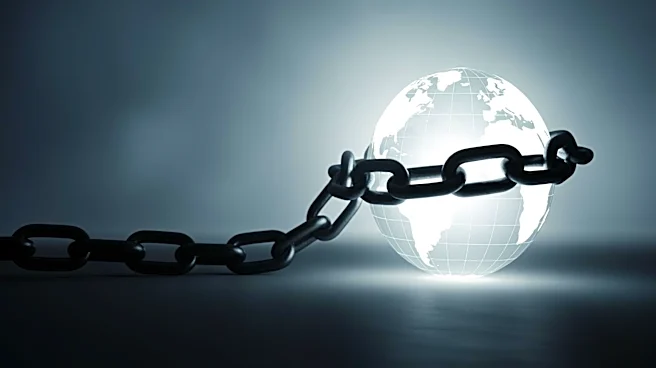
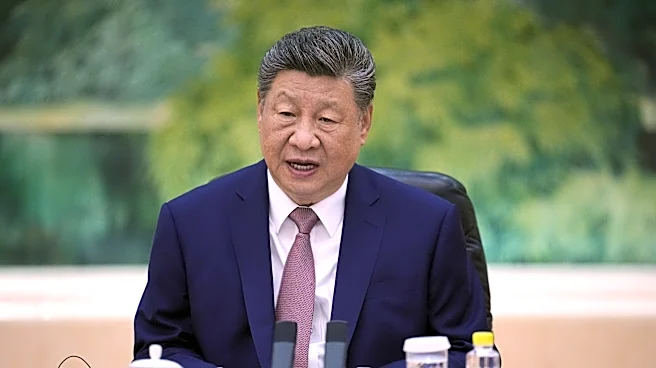
The article discusses the strategic use of technology by authoritarian regimes to consolidate power and influence. Countries like China, Russia, Iran, and North Korea are utilizing advanced technologies such as AI, surveillance, and cyber capabilities
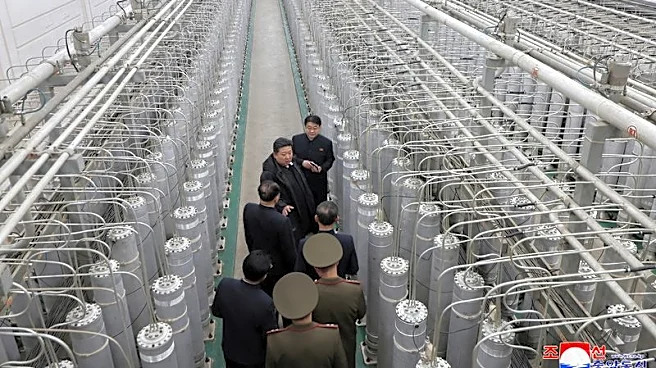
not for modernization, but for power projection and control. These technologies are integrated into military systems, used to suppress dissent, and even to fund nuclear programs through illicit means. The piece emphasizes that technology is not value-neutral and reflects the governance models of those who control it. Democracies face the challenge of authoritarian systems shaping technological standards and infrastructures, which can erode democratic autonomy.
Why It's Important?
The strategic use of technology by authoritarian regimes poses a significant challenge to democracies, which must navigate the dual threats of technological dependency and coercive control. The article argues that trusted technology, rooted in democratic principles, can serve as a strategic advantage. Democracies need to ensure that their technological ecosystems are secure, transparent, and resilient to maintain their autonomy and competitive edge. The ability to organize resources and align policies among democratic nations is crucial to counter the centralized coordination and state-backed industrial policies of authoritarian regimes. This alignment can prevent strategic vulnerabilities and ensure that democracies can compete effectively in the global technological landscape.
What's Next?
Democracies are encouraged to move beyond shared principles towards a more integrated approach, termed 'democratic coupling.' This involves strategic alignment on priorities, operational cooperation, and shared investment in critical technologies. Initiatives like the Clean Network and collaborations through the G7 and the EU-U.S. Trade and Technology Council are steps towards this integration. The focus is on creating a coherent democratic tech architecture that can withstand authoritarian pressures. Success will require discipline in protecting intellectual property, expanding secure collaborations, and diversifying supply chains to prevent irreversible dependencies.
Beyond the Headlines
The deeper implications of this technological contest include the potential reshaping of global power dynamics. If democracies fail to organize effectively, authoritarian regimes could continue to shape technological standards and embed dependencies, gaining geopolitical strength. Conversely, if democracies succeed in integrating their technological efforts, they can turn trust into a market-shaping force, ensuring that the digital age rewards open societies. This strategic alignment could redefine the 21st century, with technology advancing freedom rather than entrenching control.