



What's Happening?
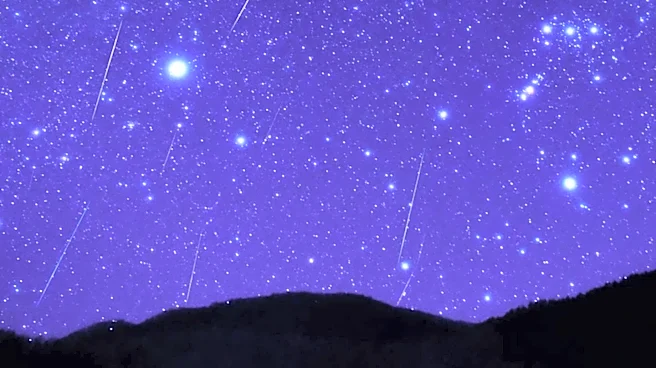
Southern California is set for a month of significant astronomical events in November. Stargazers can anticipate the Northern Taurid meteor shower, peaking overnight on November 11, which offers a higher chance of observing 'fireballs'—meteors brighter
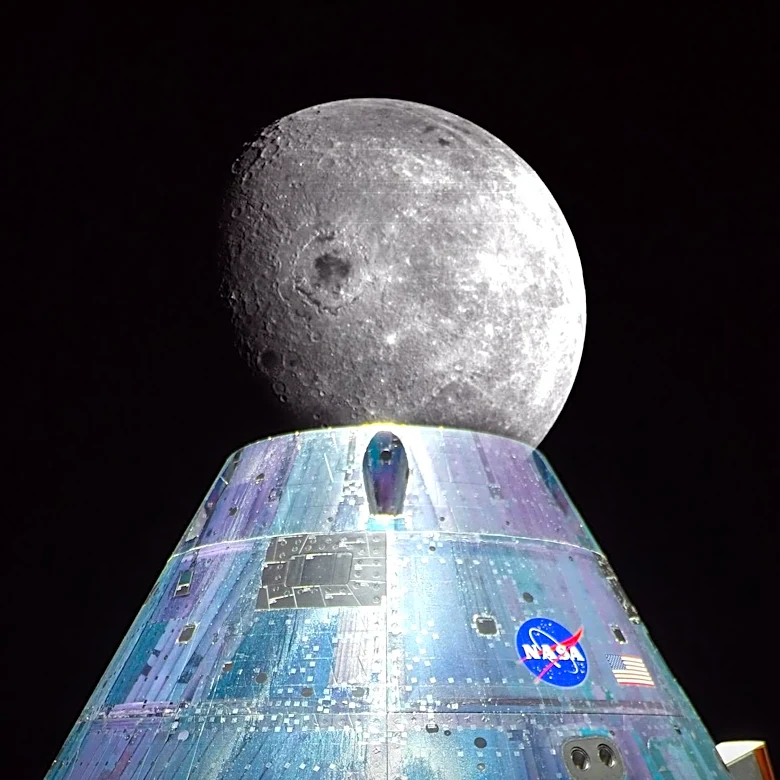
than Venus. Following this, on November 15 and 16, Jupiter and Mars will appear in a rare planetary conjunction in the pre-dawn eastern sky, visible between 4 and 6 a.m. The annual Leonids meteor shower is also expected to peak on November 17 and 18. The month will conclude with a 'supermoon' on November 23 and 24, occurring when the full moon is near its closest point to Earth in its orbit, making it appear larger and brighter. These events provide multiple opportunities for sky-watching enthusiasts to observe celestial phenomena.
Why It's Important?
These astronomical events offer unique opportunities for public engagement with science and the cosmos. Meteor showers, planetary conjunctions, and supermoons capture public imagination and can inspire interest in astronomy and space science. For amateur astronomers and the general public, these events provide accessible ways to connect with the universe without specialized equipment, fostering a sense of wonder and encouraging scientific curiosity. The visibility of these phenomena in Southern California, a region with significant astronomical research institutions like the Planetary Society and Mt. Wilson Observatory, also highlights the area's connection to space exploration and scientific discovery. Such events can also serve as educational moments, explaining concepts like orbital mechanics, cometary debris, and lunar phases to a broader audience.
What's Next?
Southern California residents and visitors are encouraged to prepare for optimal viewing of these celestial events. For meteor showers, finding locations away from urban light pollution, such as desert sites or mountain ranges, will enhance visibility. For the planetary conjunction, an unobstructed view of the eastern horizon during the pre-dawn hours is crucial. The supermoon will be best observed around sunset when it is close to the horizon, creating an optical illusion that makes it appear even larger. Local astronomical societies and observatories may offer viewing events or guidance for the public. These events are predictable and will occur as scheduled, providing consistent opportunities for observation throughout the month.
Beyond the Headlines
Beyond the immediate spectacle, these astronomical events subtly reinforce humanity's place in the cosmos and the dynamic nature of our solar system. The recurring meteor showers are remnants of comets, offering tangible evidence of the debris trails left by these icy wanderers. The planetary conjunctions serve as a visual reminder of the planets' orbital dance around the Sun, illustrating the clockwork precision of celestial mechanics. While a 'supermoon' might be considered somewhat overhyped by some scientists, its popular appeal underscores a fundamental human fascination with the Moon and its influence. Collectively, these events contribute to a broader cultural appreciation for astronomy, encouraging a perspective that extends beyond Earth and fosters a deeper understanding of the universe we inhabit. They are a regular, yet profound, connection to the vastness beyond our planet.