







What's Happening?
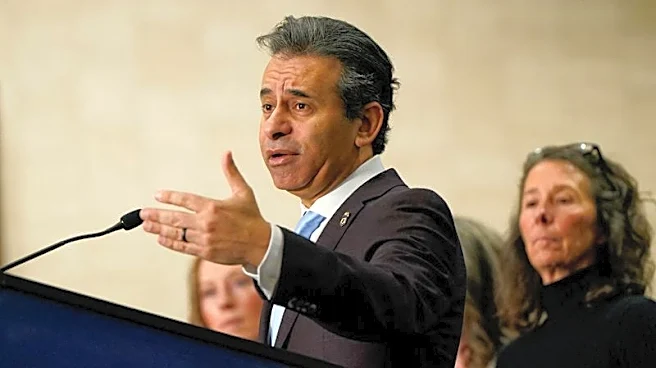
Ralph Baric, a prominent coronavirus researcher at UNC-Chapel Hill, has announced his retirement effective June. Baric, known for his significant contributions to COVID-19 vaccine development, has faced scrutiny over his research collaborations with the
Wuhan Institute of Virology. His work has been pivotal in developing treatments and vaccines for various viruses, including COVID-19. Despite his achievements, Baric's research has been at the center of debates regarding the origins of COVID-19, with some political figures questioning his collaborations. The U.S. Department of Health and Human Services is reportedly considering barring him from future research funding.
Why It's Important?
Baric's retirement marks a significant moment in the scientific community, particularly in the field of virology and public health. His work has been instrumental in the global response to the COVID-19 pandemic, influencing vaccine development and public health strategies. However, the controversies surrounding his research highlight the ongoing debates about scientific collaboration and transparency. The scrutiny of Baric's work reflects broader concerns about research ethics and the geopolitical implications of scientific partnerships. This development may influence future research funding policies and international scientific collaborations.
What's Next?
As Baric prepares to retire, the scientific community and policymakers will likely continue to debate the implications of his research. The proceedings by the Department of Health and Human Services could impact his ability to secure future funding, potentially affecting ongoing and future research projects. UNC-Chapel Hill may also face increased scrutiny regarding its research practices and collaborations. The outcome of these discussions could shape policies on research transparency and international collaborations, influencing how scientific research is conducted and funded in the future.