





What's Happening?
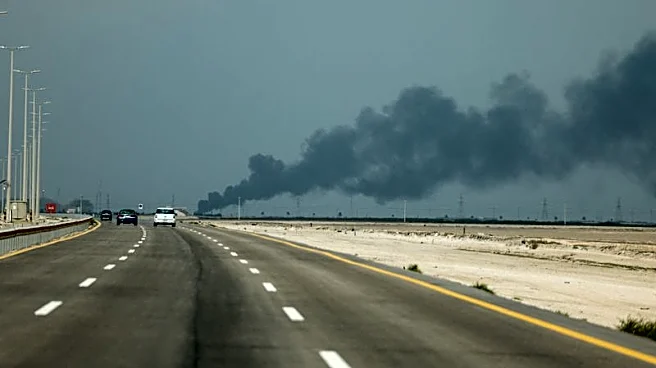
Oil prices have surged due to recent attacks on Saudi Arabian energy facilities, which have significantly disrupted the kingdom's oil production and export capabilities. According to the Saudi state news agency SPA, these attacks have reduced Saudi Arabia's
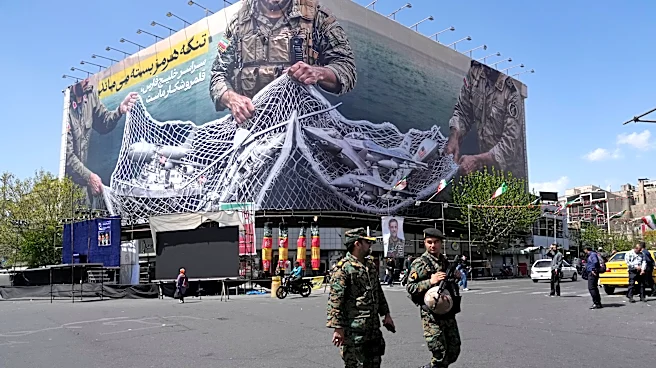
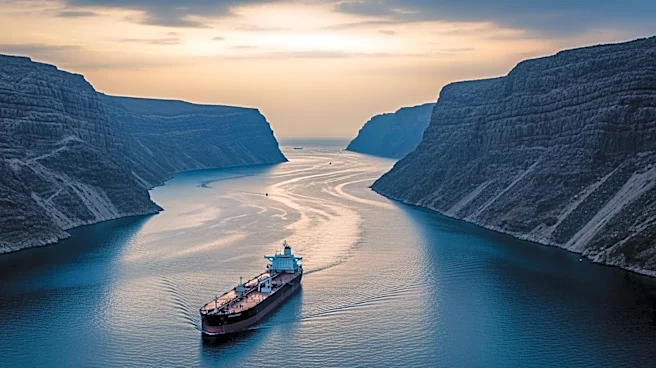
oil production capacity by approximately 600,000 barrels per day and have decreased throughput on its East-West Pipeline by about 700,000 barrels per day. The situation has been exacerbated by the near standstill of tanker traffic through the Strait of Hormuz, a critical chokepoint for global oil shipments. Despite a fragile ceasefire between the U.S. and Iran, tensions remain high, with Iran asserting control over the strait and warning ships to adhere to its territorial waters. The ongoing conflict, which began with U.S. and Israeli airstrikes on Iran, has led to significant damage to Gulf energy infrastructure, further straining global oil supplies.
Why It's Important?
The disruption in Saudi oil production and the blockage of the Strait of Hormuz have significant implications for global energy markets. Saudi Arabia is a major oil producer, and any reduction in its output can lead to increased volatility in oil prices, affecting economies worldwide. The Strait of Hormuz is a vital passage for oil and gas flows, and its closure could lead to a substantial increase in oil prices, potentially reaching $190 per barrel if the current situation persists. This scenario poses a risk to global economic stability, as higher energy costs can lead to increased inflation and slow economic growth. Additionally, the conflict highlights the geopolitical risks associated with energy security and the potential for further escalation in the region.
What's Next?
The future of oil prices and global energy security largely depends on the resolution of the conflict and the reopening of the Strait of Hormuz. Analysts suggest that a more durable peace agreement is necessary to ensure the resumption of normal oil flows. However, achieving such an agreement may be challenging due to the complex geopolitical dynamics in the region. Iran's proposal to charge fees for ships passing through the strait under a peace deal has been met with resistance from Western leaders and the U.N.'s shipping agency. The outcome of these negotiations will be crucial in determining the stability of global oil markets and the broader economic impact.