


What's Happening?
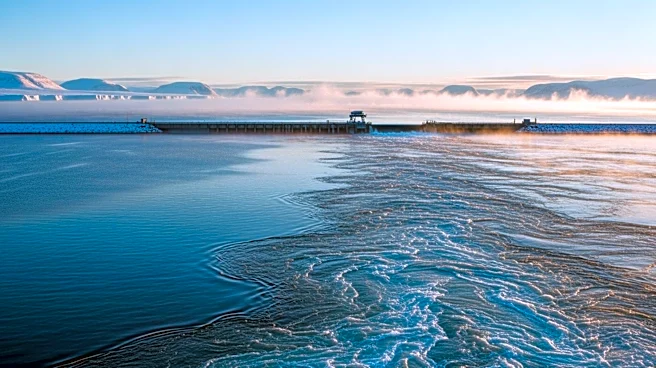
Research conducted in Greenland has revealed that the melting of the ice sheet could release significant amounts of methane, a potent greenhouse gas. Methane hydrates, which are ice-like structures containing methane, are found beneath glaciers and permafrost.
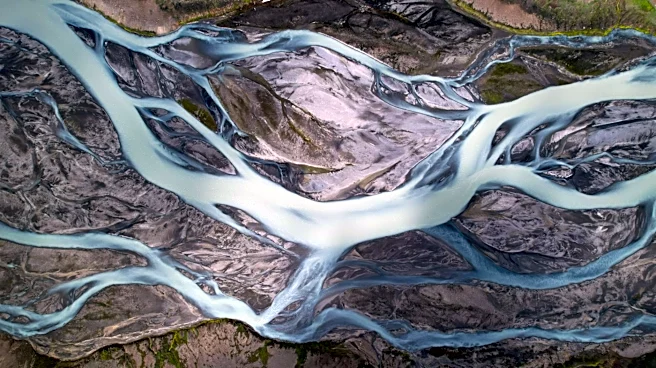
The study, led by Mads Huuse from the University of Manchester, discovered that glacial meltwater can destabilize these hydrates, potentially releasing large quantities of methane into the atmosphere. This finding raises concerns about the impact of climate change on methane emissions, as the release of methane from hydrates could significantly accelerate global warming.
Why It's Important?
Methane is a powerful greenhouse gas, and its release from melting ice sheets could have severe implications for climate change. The potential release of methane from Greenland's ice sheet adds to the urgency of addressing climate change, as it could lead to a feedback loop that accelerates warming. This development highlights the need for comprehensive climate strategies that consider the impact of melting ice on greenhouse gas emissions. The study underscores the importance of monitoring and mitigating methane emissions to prevent further climate destabilization.
What's Next?
Further research is needed to quantify the potential methane emissions from Greenland and other polar regions. Understanding the scale and impact of these emissions is crucial for developing effective climate policies. The study suggests that similar processes could occur in other glacial regions, necessitating a global approach to monitoring and mitigating methane emissions. Policymakers and scientists must collaborate to address the challenges posed by methane release and develop strategies to mitigate its impact on climate change.