




What's Happening?
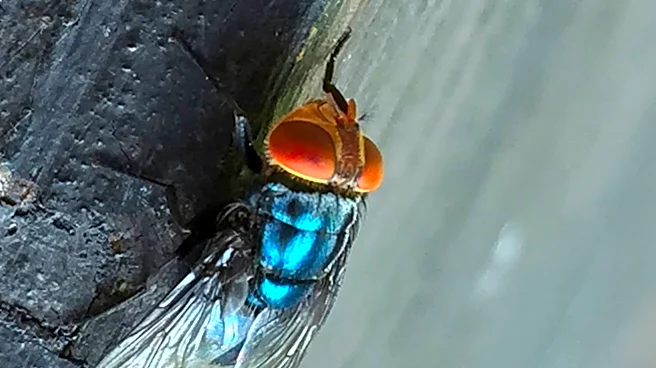
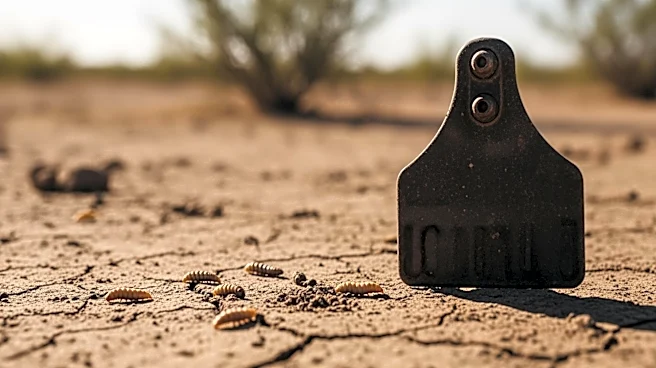
The U.S. Department of Agriculture (USDA) has confirmed three new cases of the flesh-eating screwworm parasite in livestock, with two cases in Texas and one in New Mexico. The screwworm, a serious pest, infests warm-blooded animals, causing severe wounds
and economic losses. The recent cases involve a calf and a goat in Texas, and a dog in New Mexico. The resurgence of the screwworm poses a significant threat to the cattle industry, particularly in Texas, a major cattle-producing state. The USDA is escalating its response to combat the spread of the parasite.
Why It's Important?
The resurgence of the screwworm parasite is a major concern for the U.S. cattle industry, which is already facing challenges due to the closure of the U.S.-Mexico border to live cattle imports. The economic impact could be severe, with increased costs for labor and treatment, and potential losses in livestock. The situation highlights the importance of maintaining a robust veterinary infrastructure to respond to such outbreaks. The departure of USDA staff under the previous administration has raised concerns about the agency's preparedness to handle animal disease outbreaks effectively.
What's Next?
The USDA and state authorities are likely to intensify efforts to control the spread of the screwworm. This may include increased surveillance, public awareness campaigns, and collaboration with local farmers and ranchers. The economic implications for the cattle industry may prompt discussions on policy measures to support affected stakeholders. Additionally, the situation may lead to a reevaluation of the USDA's staffing and resource allocation to ensure adequate preparedness for future outbreaks.