




What's Happening?
Louisiana voters are preparing to elect six candidates to the U.S. House of Representatives this year. The state's current representatives include Republicans Steve Scalise, Clay Higgins, Mike Johnson, and Julia Letlow, and Democrats Troy Carter and Cleo
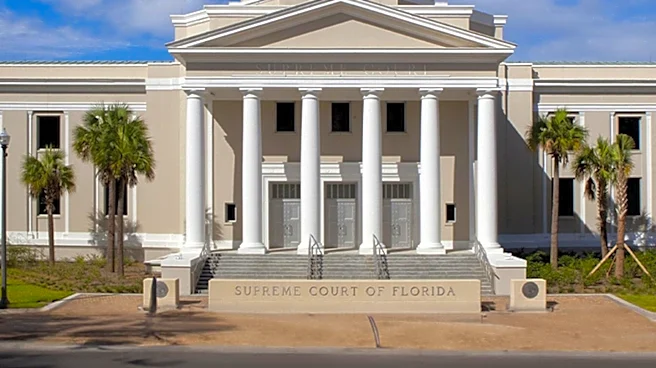
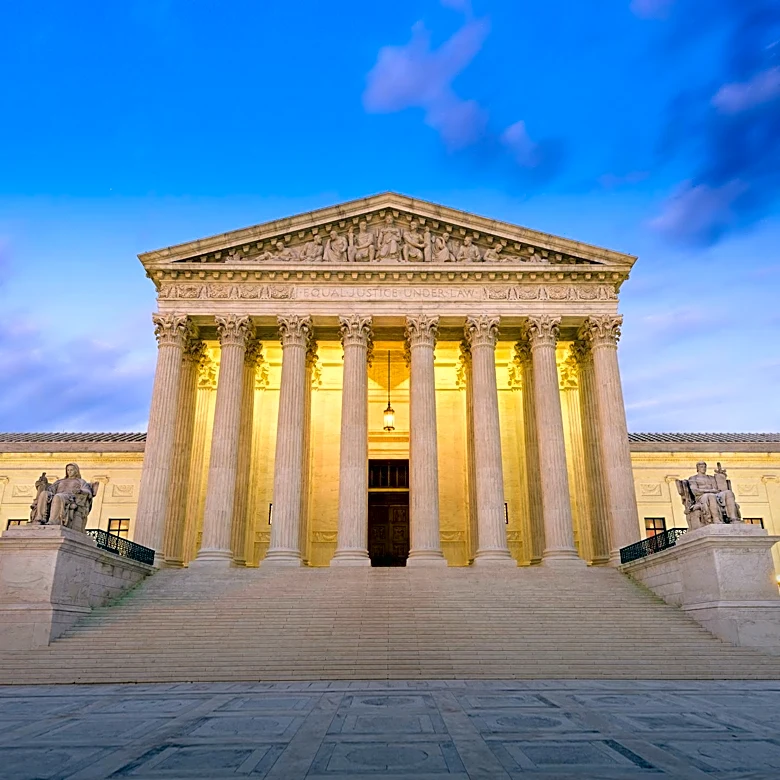
Fields. However, Julia Letlow will not be on the ballot for U.S. Representative as she is running for U.S. Senate, and Cleo Fields announced in July that he would not seek re-election. The article lists the candidates running in each of Louisiana's six districts. For District 1, the candidates are Republican Steve Scalise, Democrat Lauren Jewett, Republican Randall Arrington, and Unaffiliated Liddy Glass. District 2 candidates include Democrat Troy Carter, Democrat Renada Collins, Republican Peter Williams, Libertarian Lisa Ballay, and Unaffiliated Walter Beach. In District 3, Republican Clay Higgins is running against Democrats John Day, Priscilla Gonzales, and Caleb Walker, Republican Kate Cotten, and No Party Affiliation Tia LeBrun. District 4 features Republican Mike Johnson, Democrats Conrad Cable and Matthew Gromlich, and Republicans Gordon Heslop and Mike Nichols. District 5 has Democrats Dan McKay, Patricia Moore, and Antonio Wilson, and Republicans Stewart Cathey, Misti Cordell, Oscar Dantzler, Michael Echols, Gabe Firment, and Austin Magee. Finally, District 6 candidates are Democrats Chauna Banks, Patrick Forbes, and Lindsay Garcia, Republicans Monique Appeaning, Larry Davis, Rick Edmonds, Michael Mebruer, Blake Miguez, and Stephen Wagley, and Libertarian Party Rufus Craig. The primary election for U.S. House seats, initially scheduled for May 16 and June 27, was canceled after the Supreme Court ruled Louisiana's House map an unconstitutional gerrymander. A U.S. Representative Open Primary will now be held on November 3, coinciding with the U.S. Senate General Election, with the General Election for U.S. Representative in Louisiana scheduled for December 12.
Why It's Important?
The upcoming elections in Louisiana are crucial for determining the state's representation in the U.S. House of Representatives, which directly impacts federal policy-making and legislative priorities. The shift in election dates and the Supreme Court's ruling on gerrymandering highlight ongoing challenges to electoral fairness and representation. The departure of current representatives like Julia Letlow and Cleo Fields opens up opportunities for new voices and potentially shifts the political landscape within the state's delegation. The diverse field of candidates across various parties and affiliations indicates a competitive electoral environment, reflecting the varied political interests and demographics of Louisiana. The outcomes of these elections will influence the balance of power in Congress and the ability of Louisiana to advocate for its specific needs and interests at the national level. For instance, the re-election bid of prominent figures like Republican Steve Scalise could solidify existing political alignments, while the emergence of new candidates could introduce fresh perspectives and policy debates. The results will also serve as an indicator of voter sentiment in a key Southern state, potentially foreshadowing broader national political trends.
What's Next?
The immediate next step for Louisiana voters is the U.S. Representative Open Primary on November 3, which will also coincide with the U.S. Senate General Election. Following this, the U.S. Representative General Election will take place on December 12. Candidates will intensify their campaigns, focusing on voter outreach, debates, and policy discussions to secure support. The Supreme Court's ruling on the unconstitutional gerrymander of Louisiana's House map has already led to a revised election schedule, and further legal or procedural adjustments could still occur if new challenges arise. Political parties will likely invest significant resources in supporting their candidates, particularly in competitive districts, to gain or maintain control. The outcomes of these elections will determine the composition of Louisiana's delegation to the U.S. House of Representatives for the upcoming term, influencing legislative priorities and the state's political direction. The results will also be closely watched by national political observers for insights into the broader political climate and potential shifts in congressional power.
Beyond the Headlines
The changes to Louisiana's election schedule and the Supreme Court's intervention regarding gerrymandering underscore a deeper national conversation about electoral integrity and fair representation. The redrawing of district lines, often influenced by political motivations, can significantly impact voter power and the demographic makeup of elected officials. This situation in Louisiana reflects a broader trend where legal challenges to electoral maps are becoming more frequent, highlighting the ongoing tension between political strategy and democratic principles. The outcome of these elections, beyond simply filling seats, will test the effectiveness of the revised electoral process and could set precedents for future redistricting efforts in other states. Furthermore, the diverse array of candidates, including those from third parties and unaffiliated individuals, suggests a potential desire among some voters for alternatives to the traditional two-party system. This could indicate evolving political identities and a growing demand for more nuanced representation, moving beyond conventional partisan divides. The long-term implications could include increased scrutiny of electoral boundaries and a push for more independent redistricting commissions to ensure equitable representation.