
What's Happening?
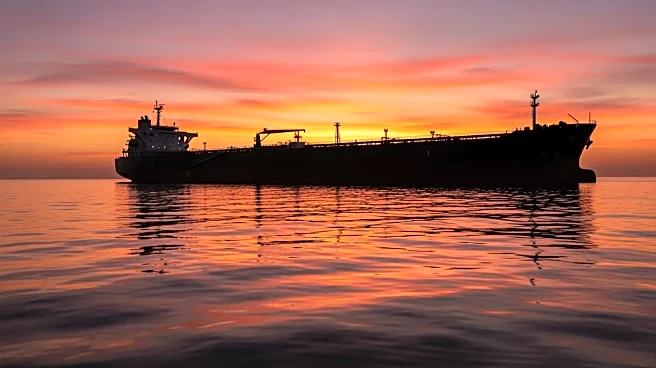
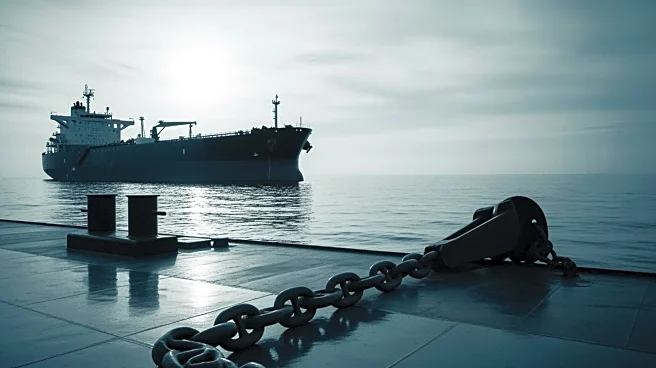
The United States has seized an oil tanker off the coast of Venezuela, marking the second such action in recent weeks. U.S. Homeland Security Secretary Kristi Noem confirmed the seizure, which follows
President Trump's announcement of a blockade on sanctioned oil tankers entering and leaving Venezuela. The tanker, believed to be the Panama-flagged Centuries, was intercepted in international waters east of Barbados. This move is part of a broader U.S. strategy to curb the illicit movement of oil that funds narco-terrorism in the region. The seizure highlights the U.S.'s commitment to enforcing energy sanctions imposed on Venezuela since 2019.
Why It's Important?
The seizure of the oil tanker underscores the U.S.'s intensified efforts to enforce sanctions against Venezuela, aiming to cut off financial resources that support illegal activities. This action reflects the U.S.'s broader geopolitical strategy to exert pressure on the Venezuelan government and disrupt its economic ties. The move could further strain U.S.-Venezuela relations and impact global oil markets, as Venezuela is a significant oil producer. Additionally, the seizure may influence other countries' approaches to dealing with sanctioned entities, potentially leading to increased maritime security measures and international cooperation in sanction enforcement.
What's Next?
The U.S. is likely to continue its aggressive stance on sanction enforcement, potentially leading to more seizures of vessels involved in the illicit oil trade. This could result in heightened tensions with Venezuela and its allies, prompting diplomatic responses or retaliatory actions. The international community may call for dialogue to address the underlying issues, while shipping companies might reassess their operations to avoid similar incidents. The situation could also prompt discussions on the effectiveness and humanitarian impact of sanctions, as well as their role in achieving foreign policy objectives.