




What's Happening?
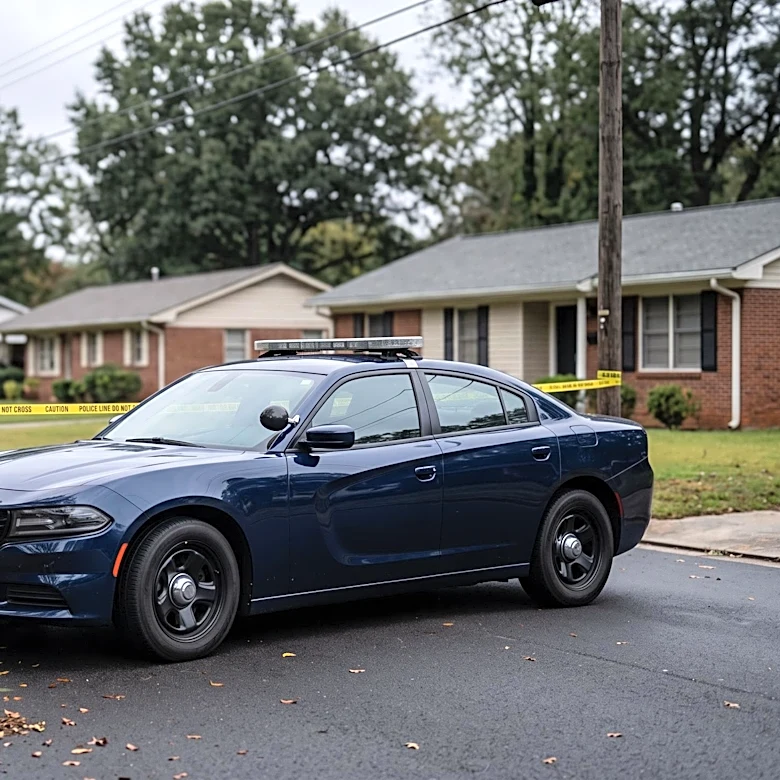
Gabrielle Forman, a 30-year-old nurse in Upstate New York, was killed in a murder-suicide by her estranged husband, Jadet Forman, 37, using an illegal "ghost gun." The incident occurred in their apartment in Cohoes, just outside Albany, hours after Gabrielle returned
from a family reunion. Cohoes Police Chief Todd Waldin confirmed that the firearm was illegal due to its lack of a serial number, explaining that ghost guns can be manufactured from parts ordered online and assembled at home. The couple was in the process of divorcing, and Gabrielle's family reported previous instances of violence, though there were no prior 911 calls from their residence. Gabrielle was on a FaceTime call with her mother when her husband reportedly stormed in and ended the call, leading her worried mother to ask Gabrielle's brother to check on her, who then heard gunshots.
Why It's Important?
This tragic event underscores the growing concern surrounding the proliferation of "ghost guns" and their impact on domestic violence. The ease with which these untraceable firearms can be acquired and assembled bypasses existing gun control measures, making it difficult for law enforcement to track their ownership and prevent their use in crimes. The incident highlights a critical loophole in gun legislation, as individuals who might otherwise be prohibited from owning firearms can obtain them without background checks or serial numbers. For victims of domestic violence, the accessibility of such weapons can escalate already dangerous situations, as evidenced by the family's claims of prior violence. This case brings to the forefront the urgent need for legislative action to regulate ghost guns and enhance protections for individuals in abusive relationships, as the lack of a paper trail makes intervention and prevention significantly more challenging for authorities.
What's Next?
Law enforcement officials are continuing their investigation into how Jadet Forman obtained the illegal ghost gun, which could lead to increased scrutiny on the online sale of firearm components and kits. This incident is likely to fuel further calls for stricter gun control legislation at both state and federal levels, specifically targeting ghost guns. Advocates for gun safety will likely use this case to push for policies that require serial numbers on all firearms, regardless of how they are manufactured, and to close loopholes that allow individuals to bypass background checks. Additionally, there may be renewed focus on resources and support for victims of domestic violence, including improved reporting mechanisms and intervention strategies to prevent such tragedies. The ongoing public discourse will likely involve debates on individual gun rights versus public safety, and the effectiveness of current laws in preventing gun violence.
Beyond the Headlines
The murder-suicide involving a ghost gun reveals deeper societal issues beyond gun control, touching upon the complexities of domestic violence and the challenges of identifying and intervening in abusive relationships. The fact that there were no prior 911 calls, despite family claims of previous violence, highlights the often-hidden nature of domestic abuse and the barriers victims face in seeking help. This could prompt discussions on improving community awareness, bystander intervention, and the accessibility of support services for those experiencing domestic violence. Furthermore, the rise of ghost guns represents a technological challenge to traditional law enforcement methods, forcing a re-evaluation of how to regulate and control weapons in an era of readily available manufacturing information and parts. The incident also reflects a broader cultural debate about personal responsibility, the role of technology in facilitating illegal activities, and the balance between individual freedoms and collective safety in a rapidly evolving society.