






What's Happening?
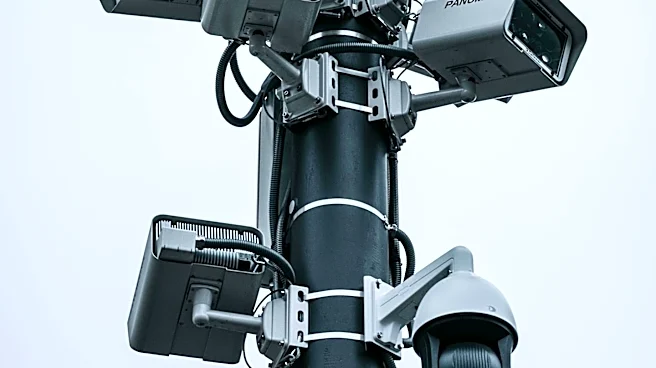
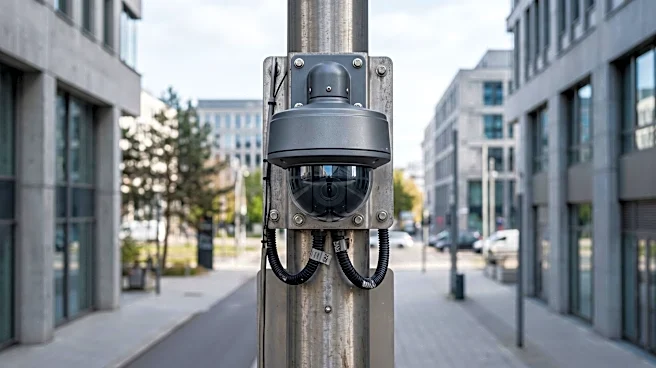
The San Diego City Council has voted to remove its Flock automated license plate reader (ALPR) technology and Smart Streetlights. This decision means that all 500 ALPR cameras across the city were scheduled to be turned off, and San Diego Police Department
(SDPD) officers have had their access to ALPR data revoked, with only two administrators maintaining access to close out the system. The city's contract with Ubicquia for Smart Streetlights and Flock as a subcontractor for ALPRs will be terminated. The City Council rescinded the use policies for both technologies, with a unanimous vote for ALPRs and a 5-2 vote for Smart Streetlights. Without a use policy, the city cannot utilize these technologies. The SDPD is expected to submit a plan for the removal of both camera systems, which could take several months, with vendors covering the removal costs. Data collected by both systems will be deleted by the respective vendors, Flock and Ubicquia, at no cost to the city.
Why It's Important?
This decision by the San Diego City Council carries significant implications for privacy, public spending, and the future of surveillance technology in urban environments. The removal of ALPR cameras and Smart Streetlights addresses concerns raised by privacy advocates, who argue that such technologies constitute mass surveillance and can be misused. The Trust SD Coalition, a long-time advocate against ALPRs, views this as a crucial step in ensuring that control over surveillance remains with the people. Financially, the city will save approximately $2 million annually, which was previously allocated to run the ALPR cameras. This funding will now be redirected to the city’s general fund, offering flexibility for other municipal needs, especially as San Diego faces a challenging financial outlook. The move could also set a precedent, potentially influencing other cities in San Diego County and nationally to reconsider their use of similar surveillance technologies, as suggested by Seth Hall of the Trust SD Coalition.
What's Next?
Following the City Council's vote, all 500 Flock ALPR cameras in San Diego were scheduled to be deactivated. The San Diego Police Department is tasked with submitting a plan for the physical removal of both the Flock cameras and Smart Streetlights by the end of the week, a process that police anticipate could take several months. The vendors, Flock and Ubicquia, are contractually obligated to remove all cameras at no cost to the city. Furthermore, both vendors have pledged to deactivate and delete all collected data, including license plates and vehicle locations, within 24 hours of the council's vote, and will provide formal notification of this action to the city. While the city of San Diego is discontinuing these technologies, other cities in San Diego County, such as Chula Vista, La Mesa, and El Cajon, continue to utilize ALPR cameras. The funding saved, approximately $2 million, will be integrated into the city's general fund, with official decisions on its allocation expected during the next city budget season in spring 2027.
Beyond the Headlines
The San Diego City Council's decision to dismantle its ALPR and Smart Streetlight programs highlights a growing national debate regarding the balance between public safety and individual privacy in the digital age. This move reflects a broader societal reckoning with the implications of pervasive surveillance technologies, particularly concerning potential misuse and the erosion of civil liberties. The argument that mass surveillance, even with good intentions, can be used to harm people, as articulated by Seth Hall, underscores the ethical dimensions of deploying such systems. The significant gap identified between how law enforcement perceives the use of mass surveillance and what the City Council and community deem appropriate suggests a fundamental disagreement on the role of technology in policing. This divergence could necessitate more robust public discourse and policy frameworks to ensure that technological advancements serve community interests without infringing on fundamental rights. The outcome in San Diego may encourage other municipalities to critically evaluate their own surveillance programs, potentially leading to a 'domino effect' where cities prioritize privacy concerns over widespread data collection.