





What's Happening?
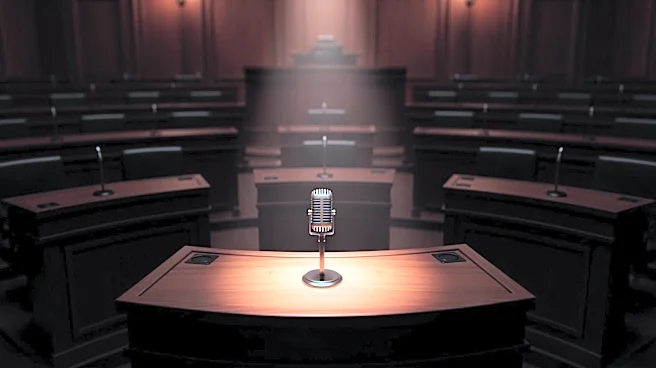
A resolution aimed at restricting President Trump's ability to engage in military action against Iran without congressional approval narrowly failed in the House of Representatives. The vote was 214-213, with notable crossover votes from both parties.
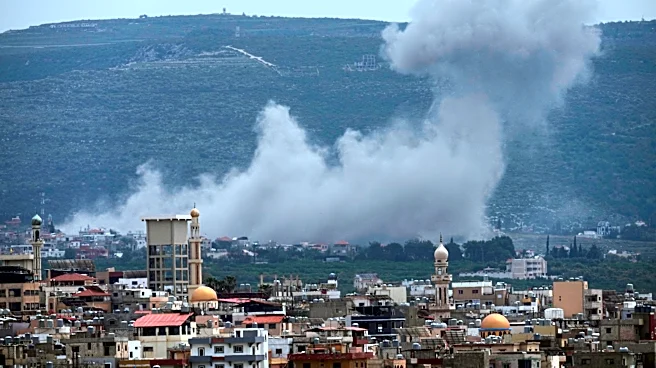
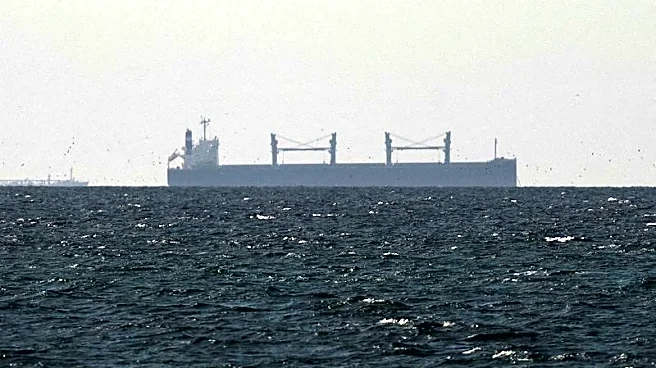
The resolution's failure follows a similar defeat in the Senate, highlighting the contentious nature of war powers and executive authority. The debate occurs amidst a temporary cease-fire between the US, Israel, and Iran, with tensions high over the strategic Strait of Hormuz.
Why It's Important?
The failure of the resolution to limit President Trump's war powers in Iran underscores the ongoing debate over executive authority in military engagements. This decision could have significant implications for US foreign policy and military strategy, particularly in the Middle East. The narrow vote reflects deep political divisions and raises concerns about the balance of power between the executive and legislative branches. The outcome may influence future legislative efforts to assert congressional oversight over military actions.
What's Next?
With the resolution's failure, President Trump retains the ability to continue military operations in Iran without immediate congressional intervention. However, under the War Powers Act, he must seek congressional approval by April 28 to extend the conflict. The situation remains fluid, with potential constitutional challenges and further legislative attempts to address war powers. The expiration of the cease-fire on April 22 could escalate tensions, prompting renewed diplomatic efforts or military actions.