



What's Happening?
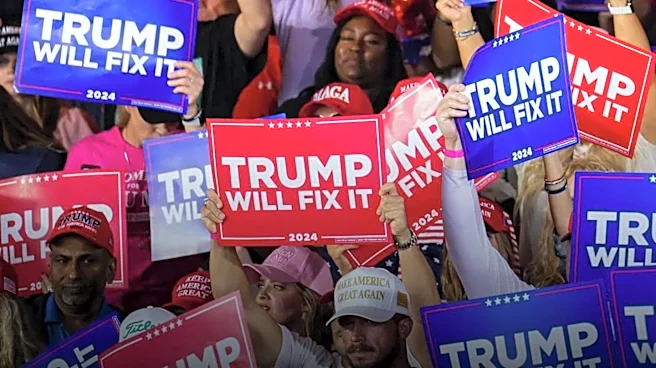
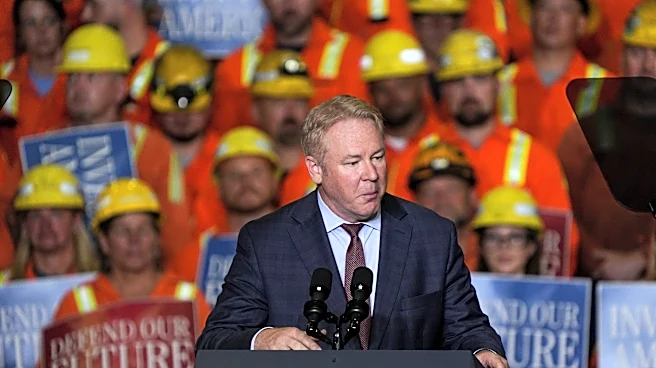
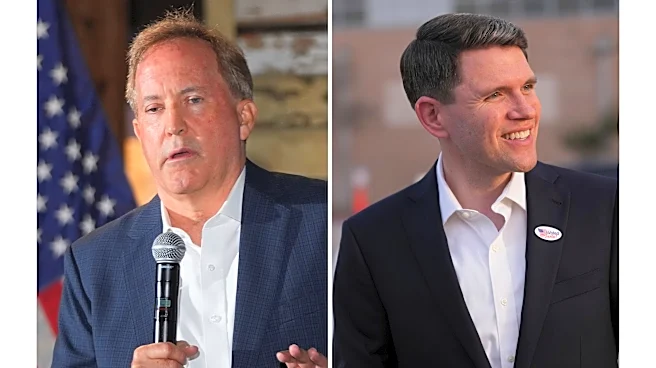
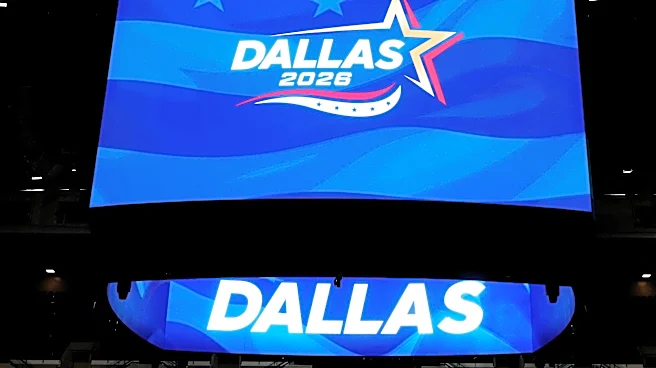
President Trump visited Dallas to rally support for the Republican Party's midterm election efforts. The event served as a significant political spectacle, with Republicans banking on President Trump's influence to motivate voters. Representative Wesley
Hunt of Houston, who previously ran for Senate in the GOP primary, emphasized the convention's effectiveness in energizing the MAGA base. Hunt noted that while President Trump's name is not on the ballot for the midterms, his administration, legacy, and the 'America First' agenda are, making voter turnout crucial. He highlighted that when President Trump is at the top of the ticket, Republicans generally perform well, and the current challenge is to mimic that effect to drive turnout among loyal supporters. Political science professor Cal Jillson from Southern Methodist University commented on President Trump's relatively low approval ratings, suggesting a potentially challenging election cycle for the Republican Party, which also faces the typical hurdle of motivating voters when it controls both the White House and Congress.
Why It's Important?
President Trump's active involvement in the midterm campaign underscores the Republican Party's strategy to leverage his popularity and influence to counter potential voter apathy. Midterm elections often see lower turnout, especially for the party in power, and President Trump's presence is intended to mitigate this. The focus on his 'America First' agenda and legacy indicates an attempt to nationalize the midterm elections, framing them as a referendum on his administration's policies rather than solely on local or state issues. This approach is critical for Republicans aiming to maintain or expand their majorities in Congress. The success or failure of this strategy will have significant implications for the balance of power in Washington, impacting the legislative agenda, judicial appointments, and the overall direction of U.S. policy. A strong Republican showing could embolden President Trump's agenda, while a weaker performance might signal a shift in the political landscape and potentially hinder future policy initiatives.
What's Next?
The immediate next steps involve continued campaigning by President Trump and other Republican leaders across the country, with a strong emphasis on voter mobilization and messaging that ties local races to the broader 'America First' agenda. The effectiveness of these rallies and the messaging will be tested on Election Day. Following the midterms, the results will dictate the political dynamics for the remainder of President Trump's term. If Republicans perform well, it could strengthen President Trump's position and facilitate the passage of his legislative priorities. Conversely, a poor showing could lead to increased opposition from Democrats and potentially internal challenges within the Republican Party. The outcome will also set the stage for the next presidential election cycle, influencing potential candidates and party strategies. The Democratic response will likely involve counter-messaging that focuses on local issues, the performance of the current administration, and efforts to energize their own base.
Beyond the Headlines
President Trump's continued role as a central figure in Republican campaigns, even when not personally on the ballot, highlights a significant shift in modern U.S. political campaigning. His ability to draw crowds and energize a specific segment of the electorate has transformed traditional midterm strategies. This phenomenon raises questions about the long-term impact of personality-driven politics on party structures and voter engagement. It also underscores the challenge for other Republican candidates to establish their own identities and appeal while simultaneously aligning with President Trump's brand. The reliance on a single figure to drive turnout could create vulnerabilities for the party in the future, particularly if that figure's influence wanes. Furthermore, the emphasis on 'America First' in midterm elections reflects a broader ideological battle within the U.S., where nationalistic and populist sentiments continue to shape political discourse and policy debates, influencing everything from trade to immigration.