







What's Happening?
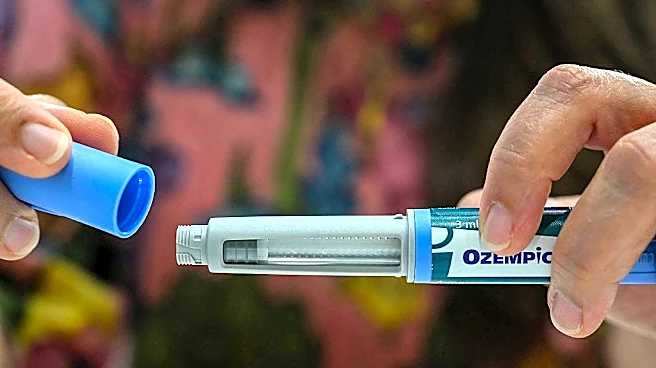
A new study by Washington University in St. Louis indicates that discontinuing GLP-1 medications, such as Ozempic, significantly elevates the risk of cardiovascular disease. Patients who stopped taking these medications experienced a 22% higher likelihood
of heart attack, stroke, or death within two years compared to those who continued treatment. The study, published in the scientific journal BMJ Medicine, involved over 333,000 U.S. veterans with type 2 diabetes. It revealed that the positive cardiovascular effects of Ozempic rapidly diminish after treatment cessation. Even a six-month interruption in treatment was found to significantly reduce the medication's protective effect. Researchers noted that many patients discontinue these drugs due to high cost, side effects, or shortages. Upon cessation, not only does lost weight return, but inflammatory processes, blood pressure, and cholesterol levels also increase, leading to a 'metabolic shock' that negatively impacts heart health.
Why It's Important?
This research highlights a critical public health concern for individuals managing type 2 diabetes in the U.S. The findings underscore the necessity of continuous adherence to GLP-1 medication regimens to maintain cardiovascular protection. For the healthcare industry, this emphasizes the importance of developing strategies to support long-term patient compliance, potentially through addressing cost barriers, managing side effects, and ensuring consistent drug supply. Patients who discontinue treatment face increased risks of severe cardiovascular events, leading to higher healthcare costs and reduced quality of life. The study's implications extend to insurance providers and policymakers, who may need to consider coverage and access policies that facilitate uninterrupted treatment for chronic conditions like type 2 diabetes, given the rapid loss of protective effects upon cessation.
What's Next?
The researchers urge clinics and doctors to ensure that patients continue their GLP-1 treatment without interruption, emphasizing that these medications are for chronic conditions and require long-term use. The study also points out that the cardiovascular benefits lost after discontinuing the medication cannot be fully restored even if treatment is restarted, as protection accumulates slowly but is lost rapidly. This suggests a need for enhanced patient education regarding the long-term commitment required for these therapies and the potential consequences of stopping them. Healthcare providers may need to implement more robust follow-up protocols to monitor patients who consider or have discontinued treatment. Furthermore, pharmaceutical companies and regulatory bodies might face pressure to explore solutions for drug affordability and availability to prevent treatment interruptions.
Beyond the Headlines
The study's findings reveal a deeper challenge in managing chronic diseases, particularly when effective treatments are costly or have side effects. The concept of 'metabolic shock' upon discontinuing GLP-1 medications suggests a complex physiological response that goes beyond simple weight regain, indicating a systemic impact on cardiovascular health. This raises ethical considerations regarding patient access to life-saving medications and the responsibility of healthcare systems to support continuous care. The rapid loss of accumulated cardiovascular protection also highlights the unique pharmacological profile of GLP-1 agonists, distinguishing them from treatments where benefits might persist longer after cessation. This could influence future drug development and treatment guidelines, emphasizing sustained engagement with therapy for optimal long-term outcomes.