







What's Happening?
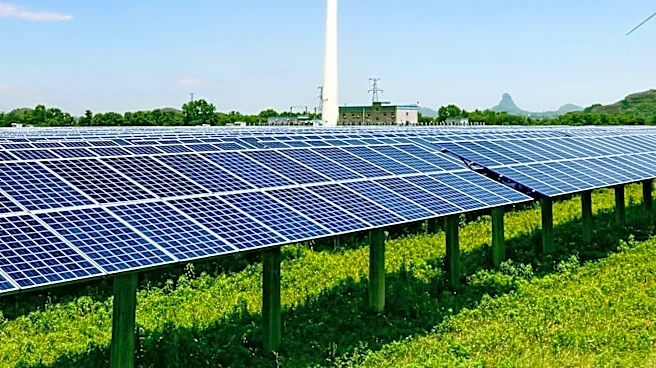
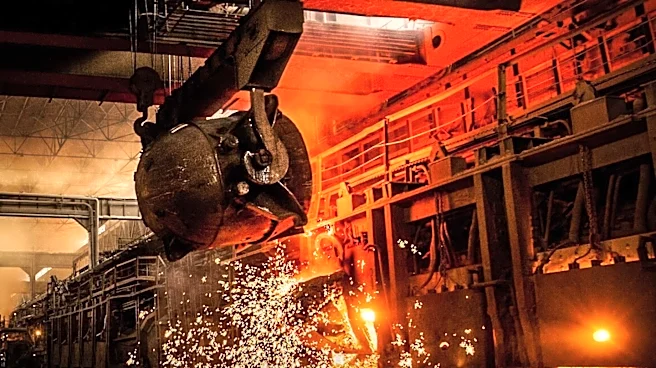
Germany has reached a significant milestone in its energy transition, with wind and solar power generating more electricity than fossil fuels for the first time. In 2025, wind and solar accounted for 44% of Germany's electricity, surpassing the 43% generated
by fossil fuels. This achievement is part of Germany's 'Energiewende' initiative, aimed at increasing renewable energy use and phasing out coal and nuclear power. The country has already shut down its last nuclear plants and plans to eliminate coal power by 2038. Efforts to streamline permitting processes and prioritize renewable energy projects have facilitated this transition.
Why It's Important?
Germany's success in surpassing fossil fuels with renewable energy sources sets a precedent for other nations aiming to reduce carbon emissions and combat climate change. As the largest economy in Europe, Germany's energy policies influence the broader European Union's shift towards cleaner power. This transition not only supports environmental goals but also enhances energy security and economic resilience. By prioritizing renewable energy, Germany is paving the way for sustainable development and demonstrating the feasibility of large-scale energy transformation, which could inspire similar efforts globally.