
What's Happening?
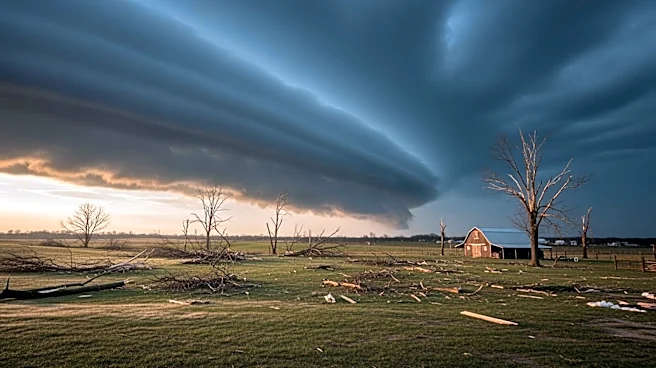
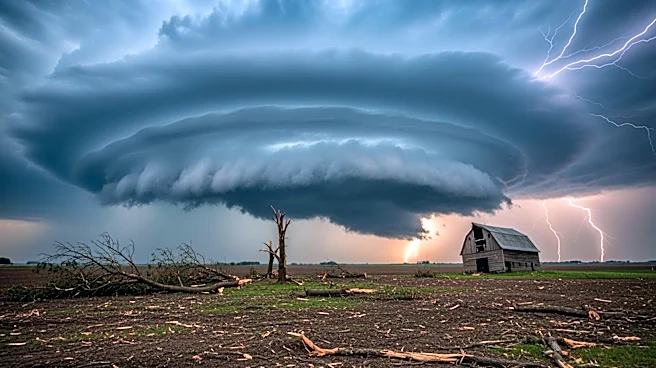
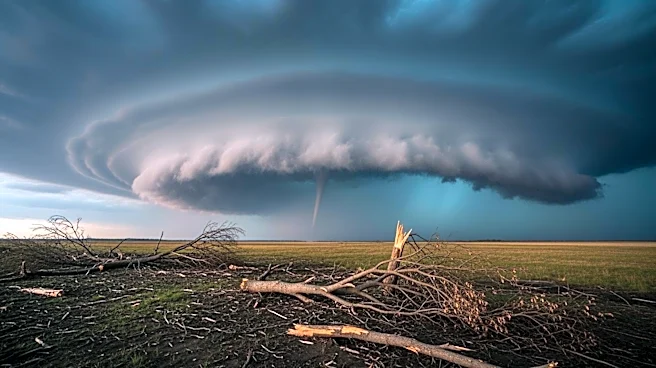
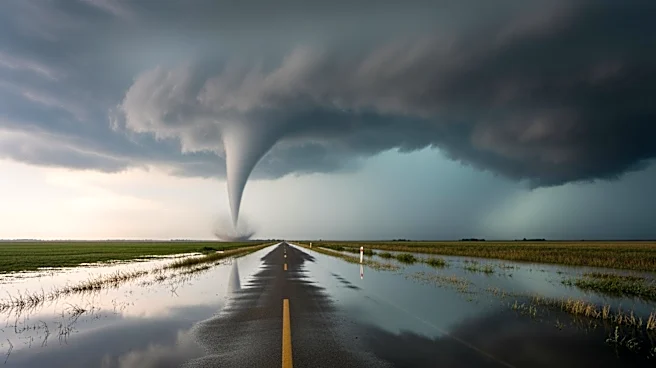
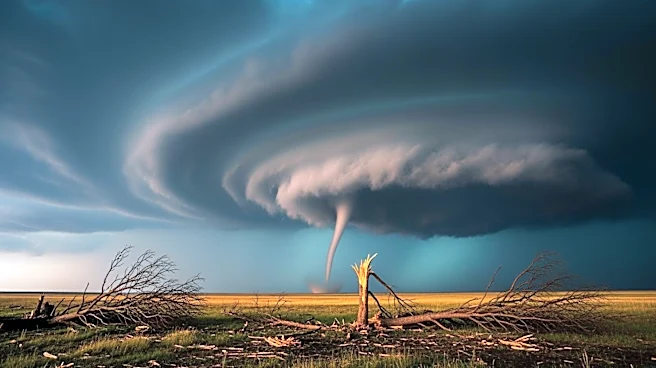
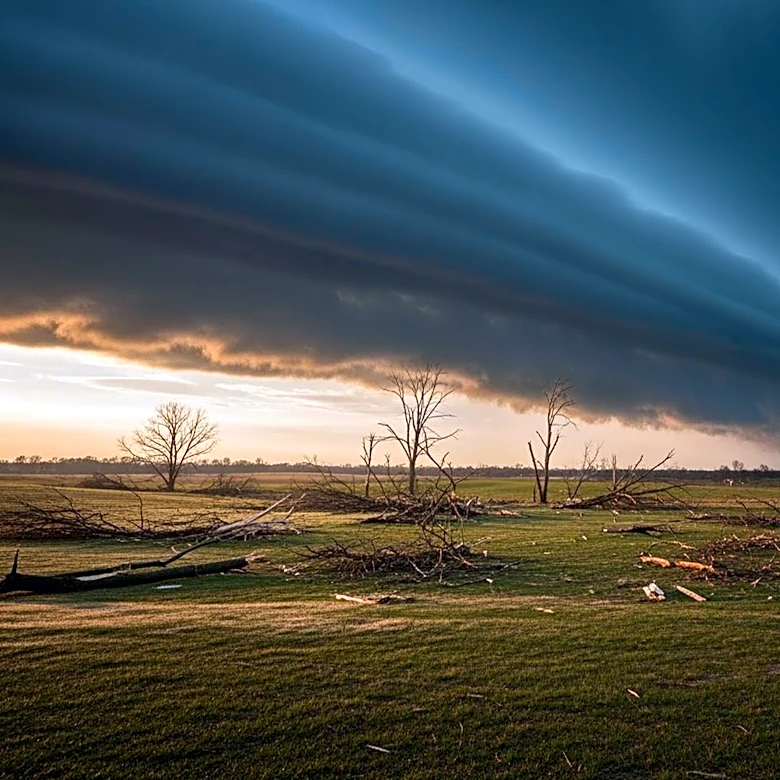
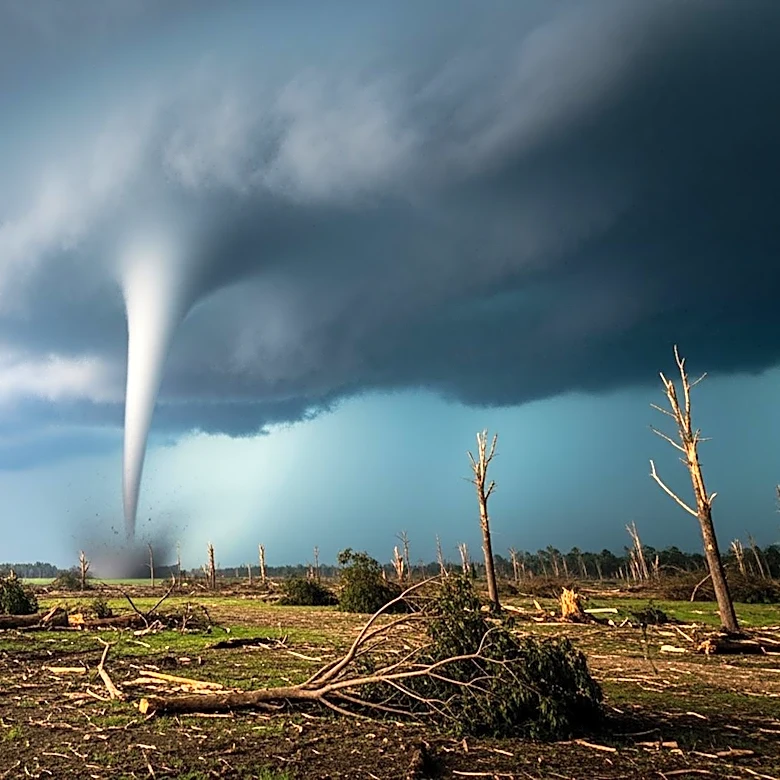
The central United States is experiencing a severe weather outbreak, with multiple tornadoes causing significant damage across several states. On Friday, tornadoes struck areas including Rochester, Minnesota, and Marathon County, Wisconsin, leading to the destruction
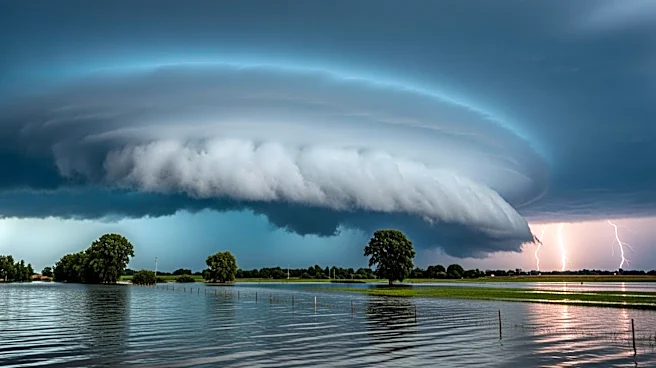
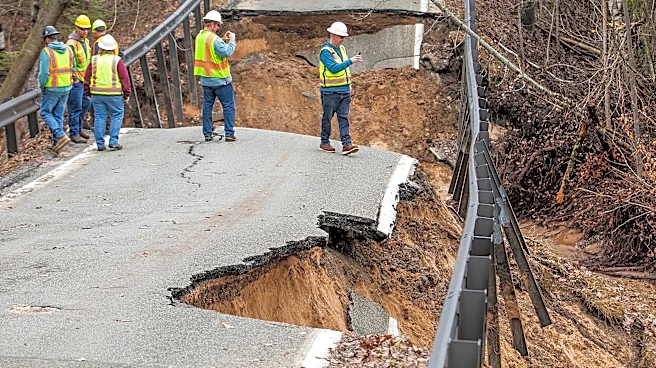
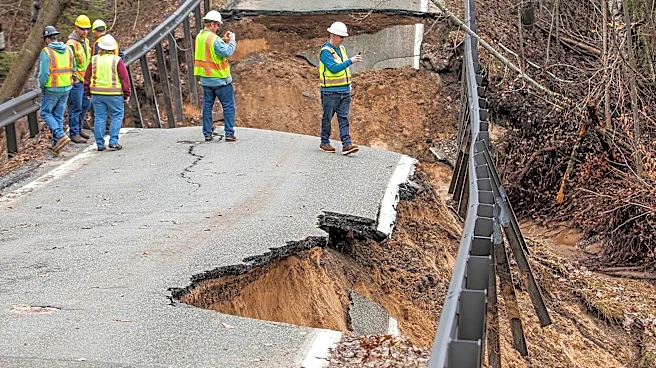
of homes and infrastructure. In Minnesota, approximately 30 homes were damaged in Marion, while in Wisconsin, about 75 homes in Ringle suffered damage. Despite the extensive destruction, no fatalities or injuries have been reported. The storms have also led to significant flooding in the Great Lakes region, with rivers in Michigan and Wisconsin reaching record flood levels. Emergency services have been actively involved in rescue operations and evacuations in affected areas.
Why It's Important?
This severe weather event highlights the vulnerability of the central US to extreme weather conditions, which can have devastating impacts on communities. The destruction of homes and infrastructure poses significant challenges for recovery and rebuilding efforts. Additionally, the flooding in the Great Lakes region exacerbates the situation, threatening further damage and displacement. The economic impact is substantial, with potential losses in property and disruptions to local economies. The event underscores the importance of preparedness and resilience in the face of increasingly frequent and severe weather events, likely influenced by broader climate patterns.
What's Next?
As the storm system moves east, the threat of severe weather continues, albeit at a reduced level. The National Weather Service is conducting damage assessments in affected areas, and emergency services remain on high alert for further incidents. Communities are advised to stay informed and prepared for potential evacuations or additional weather-related disruptions. The focus will shift towards recovery and rebuilding efforts, with local and state authorities coordinating resources and support for affected residents. Long-term, there may be discussions on improving infrastructure resilience and emergency response strategies to better handle such events in the future.