







What's Happening?
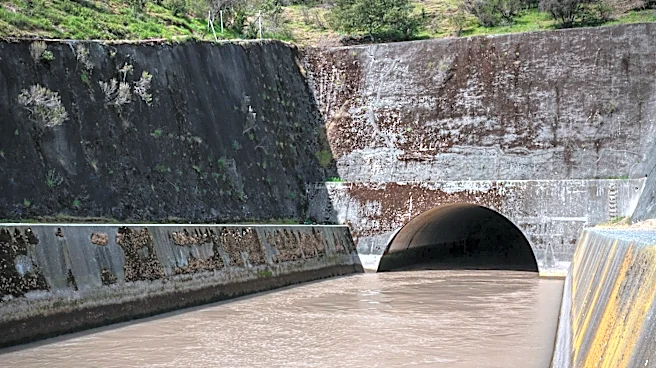
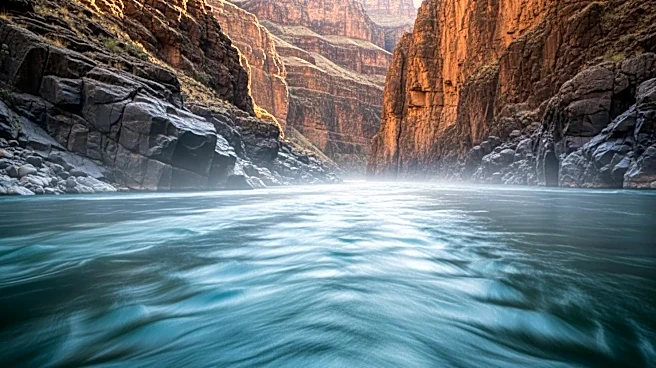
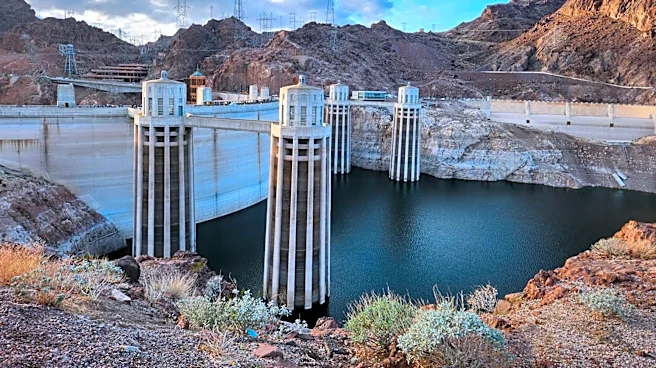
Officials managing the Colorado River are considering releasing cool water from the Glen Canyon Dam to protect the humpback chub, a threatened fish species. This action, known as a 'cool mix flow,' involves releasing cold water from deep in the reservoir
to lower river temperatures and prevent non-native predatory fish from spawning. However, this measure would bypass hydropower turbines, resulting in significant power generation loss. The decision comes amid record low snowpack levels and ongoing challenges in water resource management across seven U.S. states. Utilities reliant on hydropower express concerns over increased costs, while environmental advocates emphasize the ecological benefits of protecting native fish species.
Why It's Important?
The decision to release cool water from the Glen Canyon Dam highlights the complex balance between environmental conservation and energy production. Protecting the humpback chub is vital for maintaining biodiversity and ecological health in the Grand Canyon. However, the potential loss of hydropower generation poses economic challenges for utilities and consumers, who may face higher energy costs. This situation underscores the broader implications of climate change and resource management, as stakeholders must navigate competing priorities to ensure sustainable outcomes for both the environment and energy sectors.
What's Next?
The Bureau of Reclamation is expected to announce its decision on the cool water release in the coming weeks. If approved, the release would occur from June to October, bypassing turbines and potentially increasing energy costs for utilities. Stakeholders, including environmental groups and utility companies, will continue to engage in discussions to find a balanced approach that addresses both ecological and economic concerns. Long-term solutions for managing the Colorado River's resources remain a critical focus, as states work towards agreements on water usage and conservation strategies.