





What's Happening?
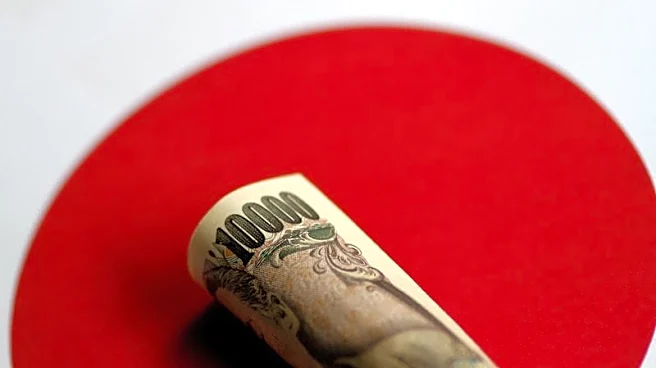
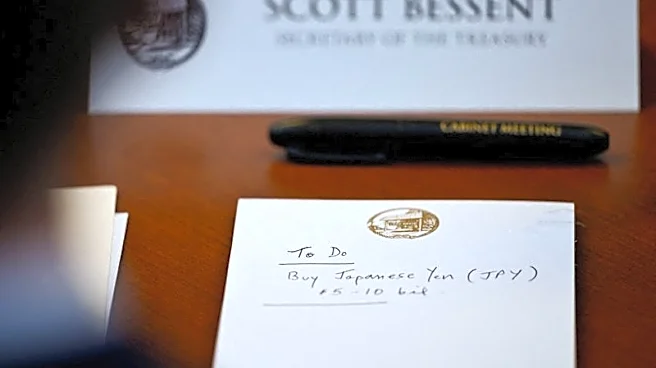
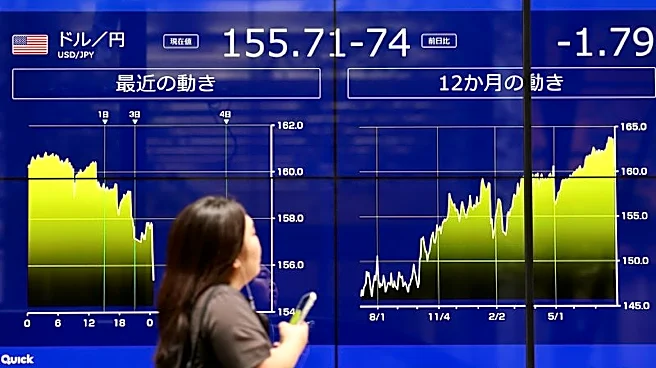
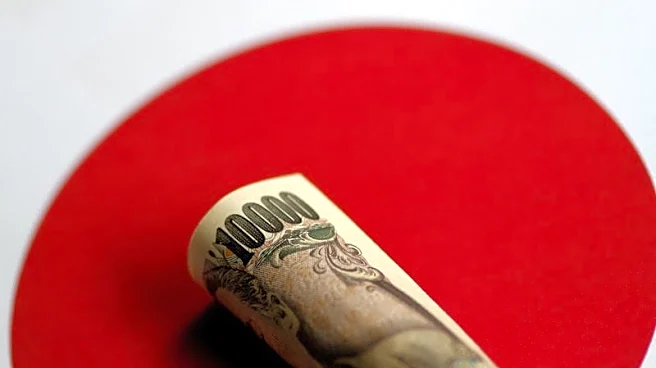
The U.S. Treasury, under the guidance of Treasury Secretary Scott Bessent, has confirmed its involvement in efforts to stabilize the Japanese yen, which has recently experienced significant depreciation. The yen, which had fallen to 40-year lows, saw
a recovery after intervention by Japan's Ministry of Finance and the U.S. Treasury. The intervention involved the U.S. Treasury purchasing yen for euros, rather than dollars, as part of a coordinated effort to support the yen's value. This move is part of a broader strategy to prevent potential economic disruptions that could arise from the yen's undervaluation, which might lead to competitive devaluations of other currencies.
Why It's Important?
The stabilization of the yen is crucial for maintaining economic balance and preventing a ripple effect that could destabilize other currencies. The U.S. involvement underscores the interconnectedness of global economies and the importance of maintaining currency stability to protect the American economy and taxpayers. The intervention also highlights the strategic economic partnership between the U.S. and Japan, as both nations work to mitigate the risks associated with currency fluctuations. This action could have significant implications for international trade and economic policies, influencing how other countries manage their currency valuations.
What's Next?
Future steps may involve continued monitoring and potential further interventions if the yen's value continues to fluctuate. The U.S. Treasury's actions suggest a commitment to using available financial tools, such as the Foreign and International Monetary Authorities Repo Facility, to support currency stability. This facility allows the Bank of Japan to borrow up to $60 billion, providing a financial backstop to aid in the yen's stabilization. Ongoing communication with European partners and central banks will be essential to ensure coordinated efforts in managing currency values and preventing economic volatility.