


What's Happening?
Mexico has embarked on its inaugural research campaign in Antarctica, marking a significant step in its scientific diplomacy efforts. The initiative, known as CAMEX-1, began on January 31 and involves collaboration with Ukraine, which is providing logistical
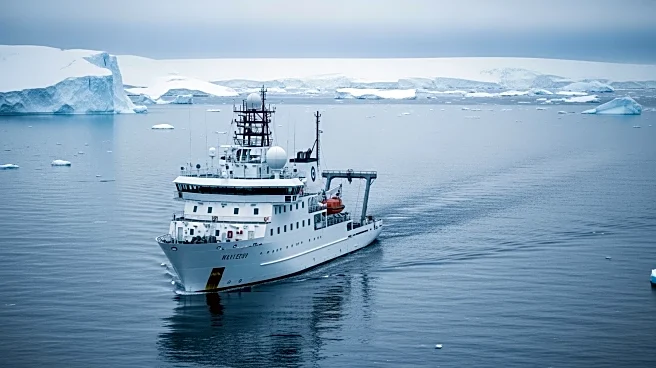
support and access to the Vernadsky Antarctic station. Eight Mexican researchers have joined the Ukrainian research icebreaker Noosfera from Punta Arenas, Chile, to conduct studies at the station. This campaign aims to enhance understanding of life in extreme conditions and address global environmental challenges. The collaboration is formalized through a five-year agreement involving Mexico's Research and Assistance Center in Technology and Design of the State of Jalisco (CIATEJ), the Mexican Agency for Antarctic Studies (AMEA), and Ukraine's National Antarctic Scientific Center.
Why It's Important?
This initiative represents a strategic move for Mexico in establishing a structured approach to polar research, transitioning from previous unstructured efforts. By participating in Antarctic research, Mexico aims to gain insights into climate change impacts that could affect its coastline, as well as understand the unusual migratory patterns of species like the southern elephant seals. The partnership with Ukraine not only provides Mexico with a platform for scientific exploration but also signifies a broader commitment to addressing global environmental issues. This collaboration could potentially enhance Mexico's scientific capabilities and influence in international environmental policy discussions.
What's Next?
The ongoing research in Antarctica is expected to yield valuable data that could inform Mexico's environmental policies and strategies. As the collaboration progresses, there may be further opportunities for Mexico to expand its research initiatives in polar regions. The findings from this campaign could also contribute to global scientific knowledge on climate change and its effects. Additionally, the partnership with Ukraine may pave the way for future international collaborations, enhancing Mexico's role in global scientific communities.
Beyond the Headlines
The establishment of a formal research structure in Antarctica marks a significant shift in Mexico's approach to scientific exploration. This move could inspire other nations to pursue similar collaborations, fostering a more cooperative international research environment. The focus on climate change and its potential impacts on distant regions like Mexico highlights the interconnectedness of global ecosystems and the importance of international cooperation in addressing environmental challenges.