
What's Happening?
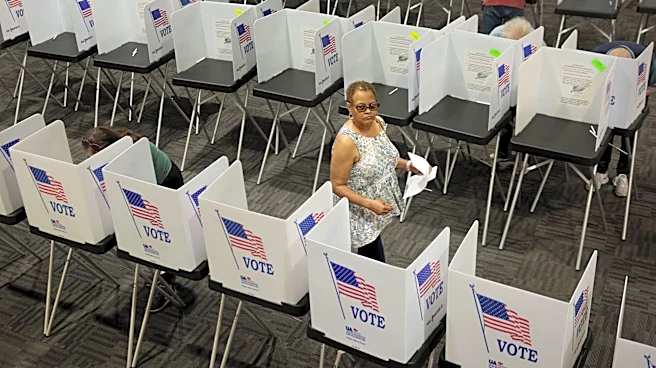
Overland Park's City Council has voted to present a proposal to voters for a 1/4 cent sales tax dedicated to funding parks and recreation infrastructure. This measure will be decided via a mail-in ballot election scheduled for March 2027. If approved,
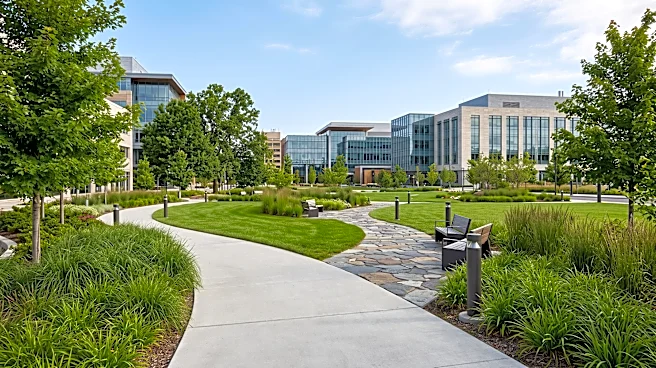
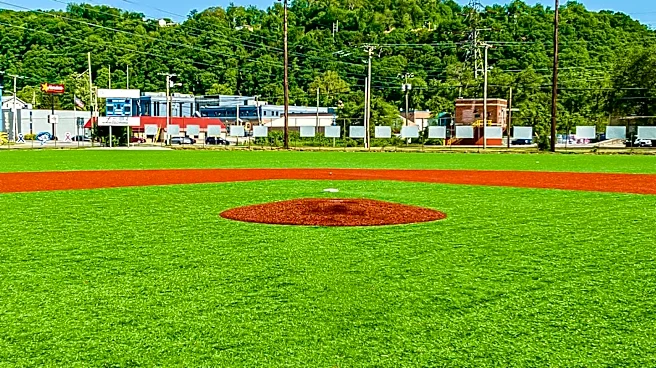
the Parks and Recreation Sales Tax is projected to generate up to $176 million over a ten-year period. The revenue would be allocated towards significant improvements and ongoing maintenance for various city amenities, including parks, regional pools, trails, and greenspaces. This initiative stems from the city's long-range parks and recreation plan, 'Playbook OP,' which identified a substantial funding gap of $248 million for achieving its community space goals. The proposed sales tax aims to address this gap by distributing the cost among all shoppers in Overland Park, rather than solely relying on property owners.
Why It's Important?
This proposed sales tax is significant for Overland Park as it represents a dedicated funding mechanism for essential public infrastructure. By shifting a portion of the funding burden from property owners to a broader base of shoppers, the city aims to ensure the sustainability and enhancement of its recreational facilities, which are accessible to all residents. The potential $176 million in revenue would enable critical upgrades to playgrounds, sports courts, park sidewalks, and restrooms, as well as the conversion of high-traffic trails to concrete for improved user experience and reduced maintenance. Modernizing regional aquatic centers like Tomahawk Ridge Aquatic Center and Young's Pool is also a key objective, extending the lifespan of these municipal assets. Furthermore, the tax would support environmental initiatives such as managing invasive species, planting native prairie, and acquiring land for future parks, contributing to the city's long-term ecological health and recreational offerings.
What's Next?
Following the City Council's decision, Overland Park will formally notify the Johnson County Election Office to proceed with the mail-in ballot election on March 2, 2027. Leading up to the election, the city plans to host public meetings in January and February 2027. These meetings will provide residents with opportunities to ask questions, share their ideas, and learn more about the proposed Parks and Recreation Sales Tax and its implications for city parks. Residents can also find additional information on the dedicated sales tax by visiting opkansas.gov. If voters approve the measure on March 2, 2027, the 10-year dedicated sales tax would officially take effect on October 1, 2027, and conclude on September 30, 2037.
Beyond the Headlines
The decision by Overland Park to pursue a dedicated sales tax for parks and recreation reflects a broader trend in municipal finance where local governments seek diverse funding streams for public services. This approach aims to create a more equitable distribution of costs, as sales taxes are paid by anyone making purchases within the city, including visitors. The long-term implications extend beyond immediate infrastructure improvements, fostering community well-being by ensuring access to quality recreational spaces. Such investments can enhance property values, attract new residents and businesses, and contribute to a higher quality of life. The public engagement process, including town hall meetings, will be crucial in shaping public perception and ultimately determining the success of the ballot initiative, highlighting the importance of transparent communication between city government and its constituents regarding fiscal policy and community development.