
What's Happening?
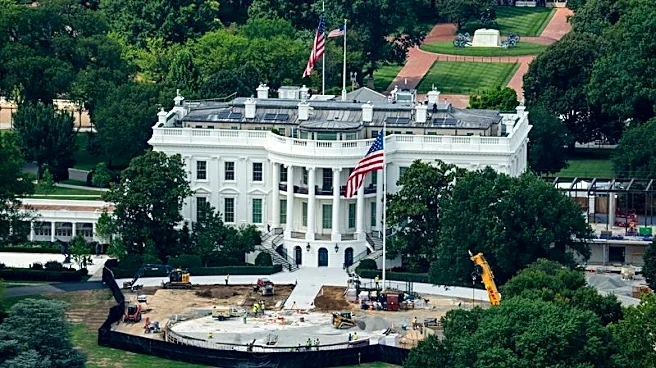
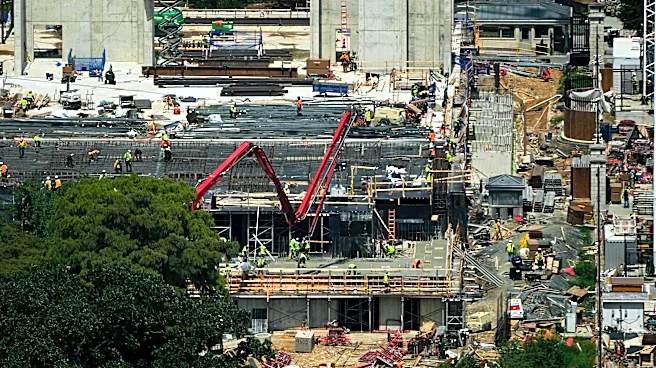
President Trump has disclosed that the ongoing construction of a ballroom at the White House includes a series of bomb shelters, in addition to a military facility. This revelation comes as the Supreme
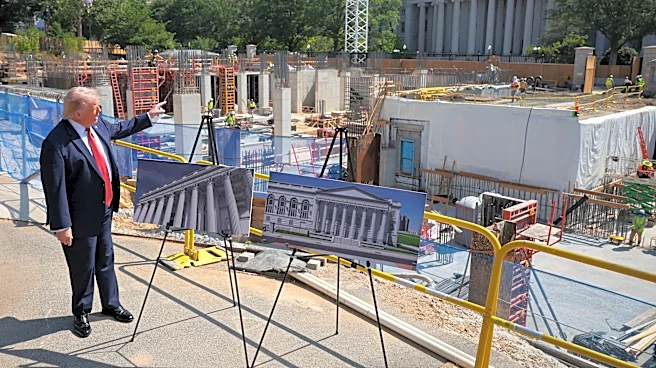
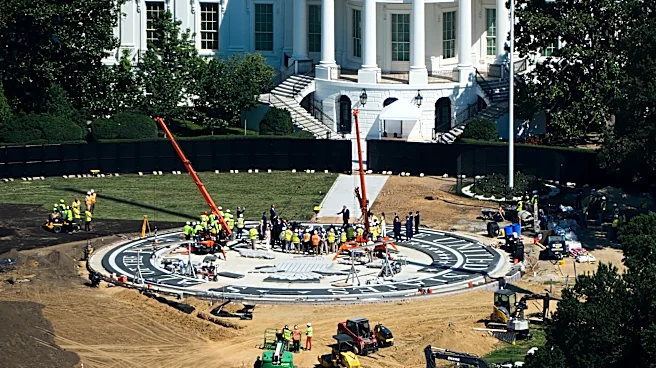
Court is poised to rule on the legality of the project, which has faced a lawsuit from the National Trust for Historic Preservation. Initially presented as a modest $200 million event space renovation, the project's scope has expanded significantly, with costs now estimated at $400 million and rising. President Trump conducted an impromptu tour of the White House grounds, showcasing progress on a new granite helipad on the South Lawn and discussing the ballroom's features. He stated that the military components and bomb shelters were initially intended to be kept secret, but he now insists the project is a national security necessity. A federal judge previously blocked above-ground construction, citing the lack of congressional approval and funding for demolishing parts of the White House or reshaping federal property. The administration has filed an emergency application with the Supreme Court, arguing that delays risk the President's safety due to various threats.
Why It's Important?
This development is significant as it raises questions about executive authority, national security justifications for construction projects, and the use of public funds. The President's assertion that the ballroom is a 'military component' with bomb shelters introduces a new dimension to the debate, potentially reframing a controversial renovation as a critical infrastructure project. The Supreme Court's decision will have far-reaching implications for the balance of power between the executive branch and Congress regarding federal property modifications and spending. If the Court sides with the administration, it could set a precedent for future presidents to undertake large-scale projects under national security pretexts, potentially bypassing traditional oversight. Conversely, a ruling against the President would reinforce congressional authority and the role of preservation groups in safeguarding national landmarks. The escalating cost and the secrecy surrounding the project's true nature also highlight concerns about transparency and accountability in government spending.
What's Next?
The Supreme Court is scheduled to issue its ruling on the project's legality on Friday. This decision will determine whether President Trump can proceed with the construction of the ballroom and its newly revealed bomb shelters. Regardless of the outcome, the controversy is likely to continue. If the Court allows the project to proceed, it could face further scrutiny from Congress regarding funding and oversight. If the Court blocks the project, the administration may explore alternative legal avenues or seek congressional approval, which could lead to a protracted political battle. The National Trust for Historic Preservation has reiterated its stance that the administration lacks unilateral legal authority for such a project without express congressional approval. The ongoing legal and political challenges underscore the contentious nature of the White House renovation and its broader implications for governance and historical preservation.
Beyond the Headlines
The revelation of bomb shelters within the White House ballroom project delves into deeper implications concerning presidential security, the perception of threats, and the symbolic integrity of the 'People's House.' The President's justification of the project as a national security necessity, citing an Iranian plot, could be seen as an attempt to legitimize an otherwise controversial and expensive undertaking. This narrative might also reflect a broader trend of securitization, where various government initiatives are framed under the umbrella of national defense. Furthermore, the project's evolution from a 'modest event-space renovation' to a complex with military components and bomb shelters highlights a potential shift in how presidential residences are viewed and utilized. It raises ethical questions about the balance between security needs and the preservation of historical landmarks, as well as the transparency required when public funds are allocated for such significant modifications to national symbols. The use of 'indestructible concrete' also suggests a long-term, perhaps irreversible, alteration to the White House structure, irrespective of future administrations.